A lesson is a learning arrangement, not just a boat booking. The useful comparison is how the session helps you participate, understand feedback and return for suitable practice. Begin with the learner and the experience they want, then compare the formats that could support it.
Write a learner brief before requesting dates
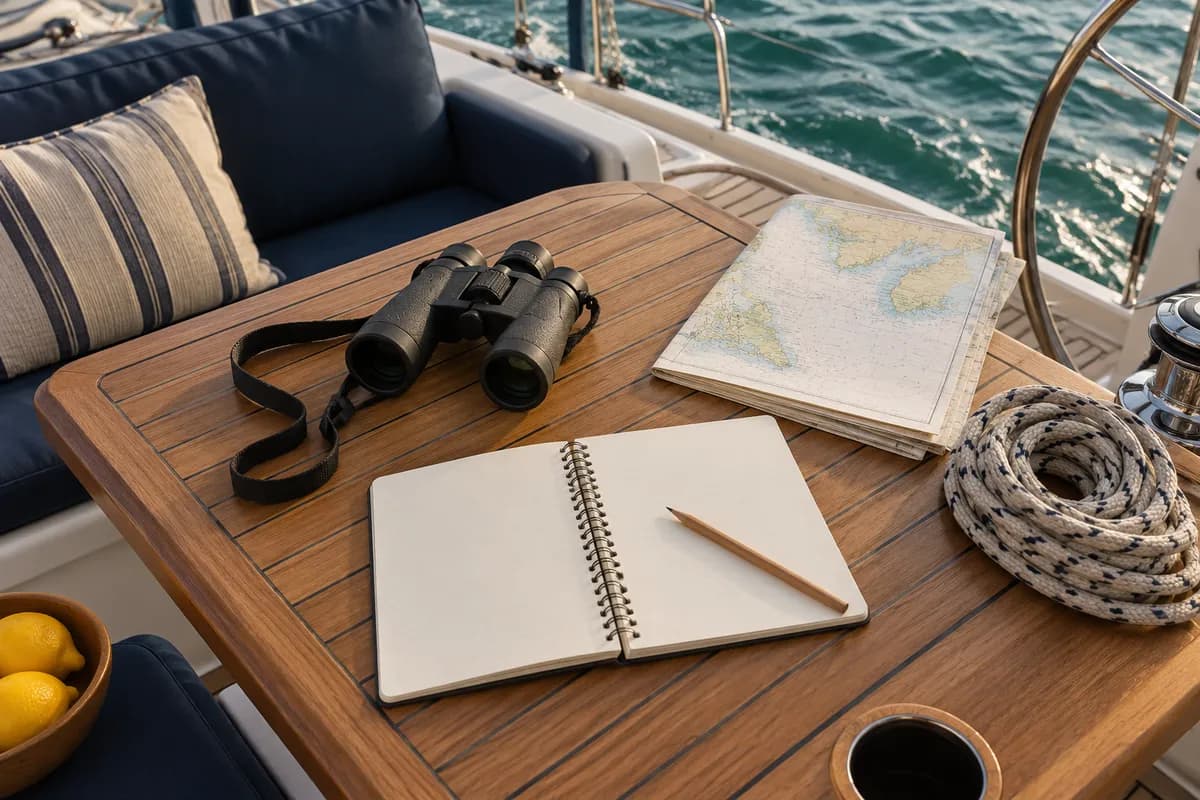
Describe your previous time afloat, what you did aboard and what you would like to be able to do next. Include the dates you can attend and any concerns about boarding, communication or the learning environment. A short, candid brief helps the school explain whether its offer fits. It also stops the comparison being driven entirely by whichever dates happen to be available. If you are booking for somebody else, ask what they want from the experience before choosing. A gift recipient who wants an enjoyable introduction may not want the same format as someone preparing to join a racing crew.
Ask how a group becomes a practical lesson
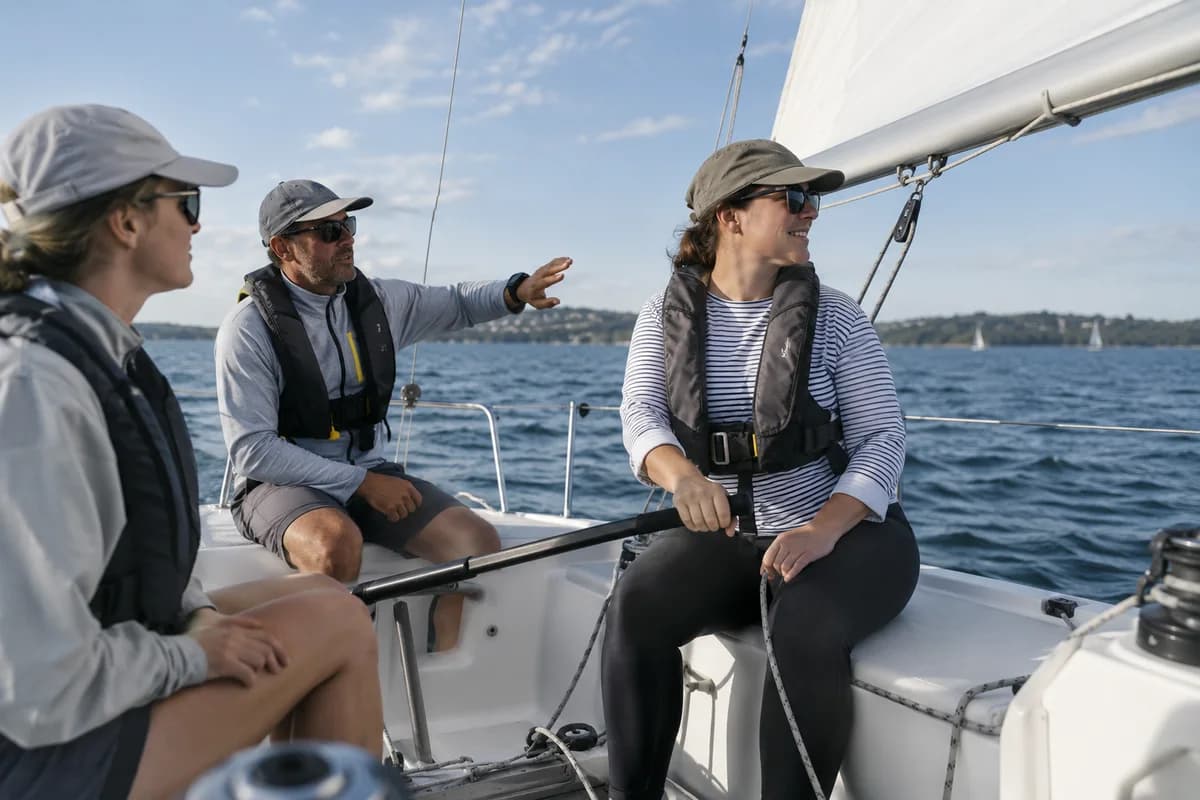
Request a typical session outline, maximum group size and an explanation of how participants rotate through tasks. Ask how the instructor notices when somebody needs an exercise repeated. The answer should describe teaching, not merely list the boat facilities. Preparation and debriefing are valuable parts of learning, so avoid treating every minute away from the helm as wasted time. Instead, ask how demonstrations, participation and feedback connect. If you are comparing a short session with a full day, consider how the format fits your concentration, travel and ability to return for further practice.
Understand what private tuition changes
Private tuition can give a provider more flexibility to address an individual brief, but it still needs a clear scope. Ask which boat will be used, who can attend and what the instructor would prioritise in the available time. Do not assume that a private booking includes a formal qualification or every topic on a broad course syllabus. If two people attend together, describe both sets of goals. Agree how the session will give each learner appropriate opportunities, rather than allowing the more experienced person to dominate the conversation and the practical tasks.
Compare the full booking conditions
Record the meeting point, equipment supplied, materials, any membership component and arrangements if a session changes. Ask about missed dates before choosing a multi-session course. Where travel is involved, consider the consequences of a moved lesson for the rest of the trip. Keep the written booking terms with the joining instructions. This is an administrative comparison, not an assumption that every provider must offer identical arrangements. If one quote seems much cheaper, ask which inclusions or format differences explain it before deciding that the two offers are equivalent.
Choose the next opportunity as well as the first
Ask what participants can do after the lesson: another course, supported practice, a club introduction or a refresher. Confirm whether those opportunities are operated by the school or simply suggestions to explore elsewhere. Consider the distance and schedule you can sustain. A course with a convincing continuation route may be more useful than a one-off experience that is difficult to follow. After attending, keep a short note of what you practised and the instructor’s suggestions. Use that record when choosing the next session instead of relying only on the label attached to the course.
Use a comparison sheet with evidence, not scores
Create a short table with one column per provider and rows for the boat, learner level, group size, practical participation, feedback, inclusions and follow-up. Copy the provider’s actual answers into the table. Leave unanswered cells marked as questions instead of awarding a low score or filling the gap with an assumption. This makes the next conversation clear: you are asking about a specific missing detail, not demanding that the school justify a ranking you created.
Then mark which rows matter most to the learner. A person travelling a long distance may need clear changed-session arrangements; someone trying to build a weekly habit may care more about continuing opportunities. Keep these priorities visible when comparing price. A weighted numerical score can imply more precision than the evidence supports, so a written explanation of fit is often enough. The final decision should be understandable in a few sentences about the learning arrangement you chose.
Use the first conversation as a clarification opportunity
Notice whether the provider answers the question you actually asked. If you describe a complete beginner and receive only a link to an advanced syllabus, reply with the specific point still unresolved. There may be a simple misunderstanding. Give the school an opportunity to clarify rather than drawing a conclusion from a single short email. A useful response explains the starting level, proposed format and why it suits your brief.
Keep any promises that matter in the booking confirmation, especially if your enquiry involved a particular access arrangement or shared learning goal. On the day, introduce yourself using the same brief so the instructor understands the context. If the person teaching was not the person handling the booking, ask whether the relevant information has been passed on. That small check helps turn a good sales conversation into the teaching experience you intended to arrange.
Compare your starting points.
Introductory experience
You want to try the activity before committing to a course.
What will I participate in during the session?
Structured group course
You want an organised progression with other learners.
How are practice and feedback shared across the group?
Private lesson
You have a specific learning need or scheduling constraint.
What would you prioritise within this booking?
What this looks like in practice.
An illustrative beginner wants to join weekend club sailing. A short introduction would let them test their interest, while a structured group course offers a clearer sequence of practice. They ask both providers about role rotation and follow-up, then choose the format they can attend consistently. The decision is based on fit, not a claim that one format is best for every beginner.
Three steps to a clearer decision.
Describe the learner and goal.
Compare the actual teaching format.
Check inclusions and changed-session terms.
Take this to the conversation.
- Describe the learner and goal.
- Compare the actual teaching format.
- Check inclusions and changed-session terms.
- Identify a realistic opportunity to practise afterwards.
A useful first message.
Replace the bracketed details with your own. Leave unknown information marked as unknown.
I am looking for sailing lessons for [learner and experience]. My goal is [practical goal], and I can attend [availability]. Please explain the boat, group size, how practical roles rotate, what is supplied and what supported practice could follow.
Before you make the next move.
Open a question for practical advice to help with your next decision.
Is a private lesson always better?
No. Compare it against your goal, budget and preferred learning environment. A group course may provide a useful sequence and shared learning, while a private session may suit a focused need.
Should I choose the longest course?
Duration alone is insufficient. Ask how the time is used, which starting level is expected and what opportunities you will have to practise and receive feedback.