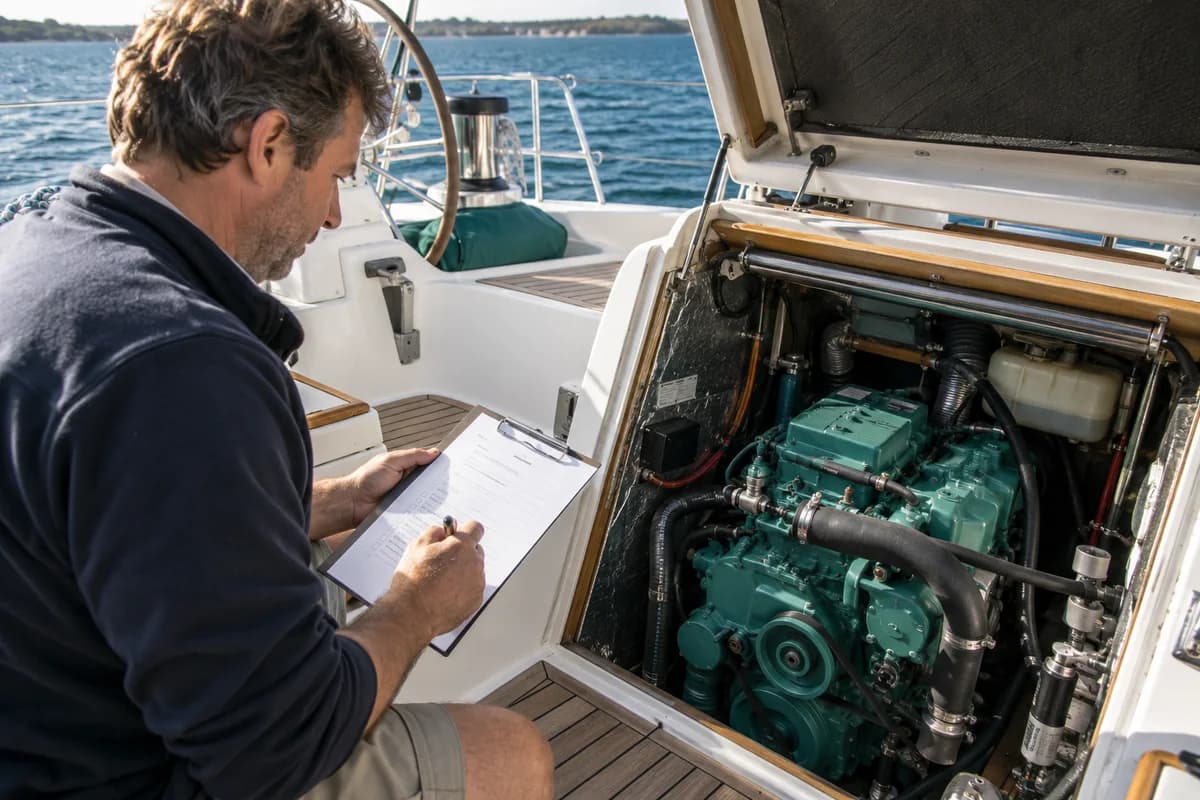
Stepping up as skipper brings navigation, boat handling and crew decisions together. Find training providers for focused practice, development and specialist courses.

Define the responsibility you want to practise
Skipper development is more useful when the brief identifies situations rather than a vague wish for confidence. You may want help planning a passage, managing a small crew, handling a boat in a marina or making decisions during an unfamiliar manoeuvre. Describe the vessel and the sailing you expect to do. Tell the provider what you already manage comfortably and where you hesitate. This gives an instructor a practical starting point for the session. A focused course should help you understand and practise relevant skills, rather than promise that a short booking can remove every uncertainty associated with taking responsibility aboard.
Choose between a course and tailored coaching
A structured course may follow a defined syllabus and, in some cases, an assessment process. Tailored coaching can concentrate on particular skills or the boat you own. Ask which format is being offered and what outcomes are realistic within the available time. If a qualification is required for another purpose, verify the exact requirement with the organisation asking for it and check the provider's current recognition. Do not assume that every skipper course produces the same credential. Equally, a useful coaching session does not need to be presented as a qualification to improve a specific part of your sailing routine.
Discuss the boat and the crew
Training on your own vessel can make the practice directly relevant, but the provider will need to assess the arrangement and suitability. Explain the boat's equipment, condition and location, and ask what preparation is required before the instructor attends. If regular crew will join, discuss their roles and experience. A session may be more valuable when the people who sail together learn a shared approach. For training on a school boat, ask about the type of vessel and how its handling relates to your goals. These practical differences should be understood before comparing course prices or durations.
Make room for briefing and reflection
Useful training includes time to understand a task, practise it and discuss what happened. Ask how the provider structures the day and how it adapts to conditions and the learner's progress. Explain any time pressures, but avoid packing so many objectives into one session that none receives adequate attention. Confirm weather arrangements and the process if the intended activity cannot be undertaken. The instructor should explain the limits of the session and any prerequisites. A realistic plan gives you a better learning experience than an ambitious checklist that assumes every manoeuvre can be completed on demand regardless of the setting.
Leave with a next-step plan
At the end of the course or coaching, ask what you should practise next and under what level of support. Keep notes on the techniques and decisions discussed, along with any recommended learning resources. If you have completed an assessed program, understand exactly what the outcome records and what it does not. Continue using the relevant official training material and the instructions for your own vessel. Skipper development is an ongoing process of preparation, practice and reflection. A good provider helps you identify the next useful step rather than treating the final hour of a course as the end of learning.
Make the first enquiry count.
Turn a broad confidence goal into a few situations you want to improve. Describe the boat, regular crew and moments that feel difficult. Let the instructor help choose a priority, then ask for a practice plan that respects the limits of what the session establishes.
What a useful quote should settle
Compare learning goals, prerequisites, boat arrangements, crew participation, postponement policy and feedback after the session.
How to compare marine service quotes →Which conversation do you need?
Start with the situation that describes your job. These are different enquiry briefs, so ask the provider to confirm the scope that fits yours.
Focused session
One recurring situation affects your sailing.
What is a realistic goal for the available time?
Regular-crew coaching
Shared roles or communication need work.
How will all participants receive useful feedback?
Broader development
Several areas need a structured approach.
Which prerequisites and subsequent practice are appropriate?
Three steps to a clearer decision.
What is a realistic goal for the available time?
How will all participants receive useful feedback?
Which prerequisites and subsequent practice are appropriate?
Before you make the next move.
Can training happen on my boat?
Ask the provider about vessel suitability, access and the proposed learning goals. Some sessions may be more appropriate on a school boat. Clarify the arrangement before assuming the instructor can simply join any vessel.
Should my regular crew take part?
It can help when the goals involve shared tasks and communication. Discuss each person’s experience and the session format with the instructor so participation is planned and useful.
Skipper & safety training: enquiry checklist
Use this to prepare your first enquiry. Print a copy to keep with your notes.
0 of 5 ready · Checks reset when you leave this page.
Use the guidance relevant to your equipment, location and intended use.
RYA: getting started in sailing ↗