

A little knowledge.
A better day afloat.
36 practical guides for the decisions before you sail: what to learn, where to go, who to ask and how to care for your boat.
Useful reading.
A practical next step.
Explore YouSail field guides alongside our enquiry-focused Shore Notes. Every guide connects the reading to relevant services, schools or regions.
Build a lesson, berth or service brief you can download and use with your shortlist.
Open the planning sheets →36 guides
Start sailing in Australia: a practical learning path
Begin with the kind of sailing you want to repeat, not the most advanced certificate you can find. Use this YouSail introduction to compare sheltered practice, supervised lessons and crewing opportunities, then turn the next step into a conversation with a local school.
Read the guide →Sailing boat parts: learn the language before your lesson
A little vocabulary makes a first lesson less overwhelming and a parts enquiry more useful. This guide connects the names in YouSail’s boat-parts introduction with things you can point to aboard. Treat it as a reading companion; your instructor should show how each item works on the actual boat.
Read the guide →How sails work: turn sailing terms into better questions
Sail shape, wind angle and boat response are easier to understand when the ideas connect to a real lesson. Read YouSail’s explanation before your next practice sail, then ask your instructor to demonstrate one change at a time. The aim is observation and understanding, not a set of universal settings.
Read the guide →Sailing with new crew: plan for people first
A good first outing is shaped around the people aboard. Use YouSail’s guest-and-crew guide to prepare questions about comfort, supervision, boarding and simple roles, especially when comparing a skippered charter or family lesson. Tell the provider what the group needs before choosing a boat or itinerary.
Read the guide →Marine weather forecasts: build a better reading routine
A forecast is useful when you understand its area, timing and terms. This YouSail guide is a learning resource for the conversation you have with an instructor or skipper. Keep current official forecasts and warnings separate from saved planning notes, and ask for help interpreting anything you cannot confidently explain.
Read the guide →Tides and currents: questions to settle before a trip
Water levels and moving water affect different parts of a sailing plan. YouSail’s guide introduces the distinctions; this page helps you identify which questions to take to a course, marina or skipper. Local advice and current official information are essential when applying general concepts to a specific boat and place.
Read the guide →Wind, waves and swell: understand the whole forecast
A single wind number cannot describe what a sailing day will feel like. YouSail’s sea-state guide explains the language behind a more useful discussion. Use it to ask about the combined conditions, the proposed route and the least experienced people aboard when planning a lesson or charter.
Read the guide →Queensland sailing destinations: choose the right setting
Queensland offers very different sailing settings, and a destination shortlist should reflect the kind of trip you want. Use YouSail’s regional overview to compare the questions behind each option, then explore local charter profiles and region-specific guidance before deciding where to enquire.
Read the guide →Moreton Bay sailing: build a local shortlist
A Moreton Bay enquiry needs more detail than a preferred date. YouSail’s local guide gives context for a conversation about the part of the bay, the boat, the group and the departure arrangement. Use the linked business pages to compare published services, then ask each operator to confirm the proposed outing.
Read the guide →Sydney Harbour sailing: lessons, charters and local planning
Sydney Harbour can support a first lesson, regular club sailing or a special day afloat, but these are different enquiries. Start with YouSail’s harbour guide, identify the experience you want and connect it to a school, charter operator or marina profile. Confirm the actual meeting and boarding arrangements before making travel plans.
Read the guide →Pittwater sailing: match the boat, base and experience
Pittwater enquiries often begin with a place name and need to end with a precise boarding plan. Read YouSail’s local context, then compare the type of sailing, the provider’s actual base and the practical needs of the people coming aboard. The linked charter area provides a location-based business shortlist.
Read the guide →Perth and Swan River sailing: plan the right first enquiry
River sailing and a coastal outing are different starting points for an enquiry. YouSail’s Perth guide provides local background so you can explain which experience you want, then compare the relevant schools, clubs and charter businesses. Ask the provider to identify the actual waters and departure location involved.
Read the guide →Lake Macquarie sailing: local preparation and contacts
Planning time on Lake Macquarie means separating the experience on the lake from any question about reaching it by water. Use YouSail’s local guide for orientation and the directory for published contacts. Ask qualified local providers about the arrangements that apply to your particular boat and visit.
Read the guide →Jervis Bay sailing: prepare a more useful charter enquiry
A Jervis Bay sailing plan should begin with the group, the intended outing and the operator’s current arrangements. YouSail’s local guide adds background for those questions. Use the local charter shortlist to discover published businesses, while keeping current conditions and activity requirements with the relevant authorities and operator.
Read the guide →Choosing a sailing club: find a place you will return to
The best club for a newcomer is one with a practical route into the sailing they want to do. Use YouSail’s club-selection guide to compare welcome sessions, crewing arrangements, training and the ongoing commitment. A conversation about an ordinary club day is often more revealing than a list of facilities.
Read the guide →
Your first sailing course: choose the experience, not just the certificate
A practical guide to comparing first sailing lessons, boat types, group sizes and opportunities to practise afterwards.
Read the guide →
How to join a sailing club without owning a boat
Find a welcoming route into club sailing, from a first visit to crewing and a sustainable weekly routine.
Read the guide →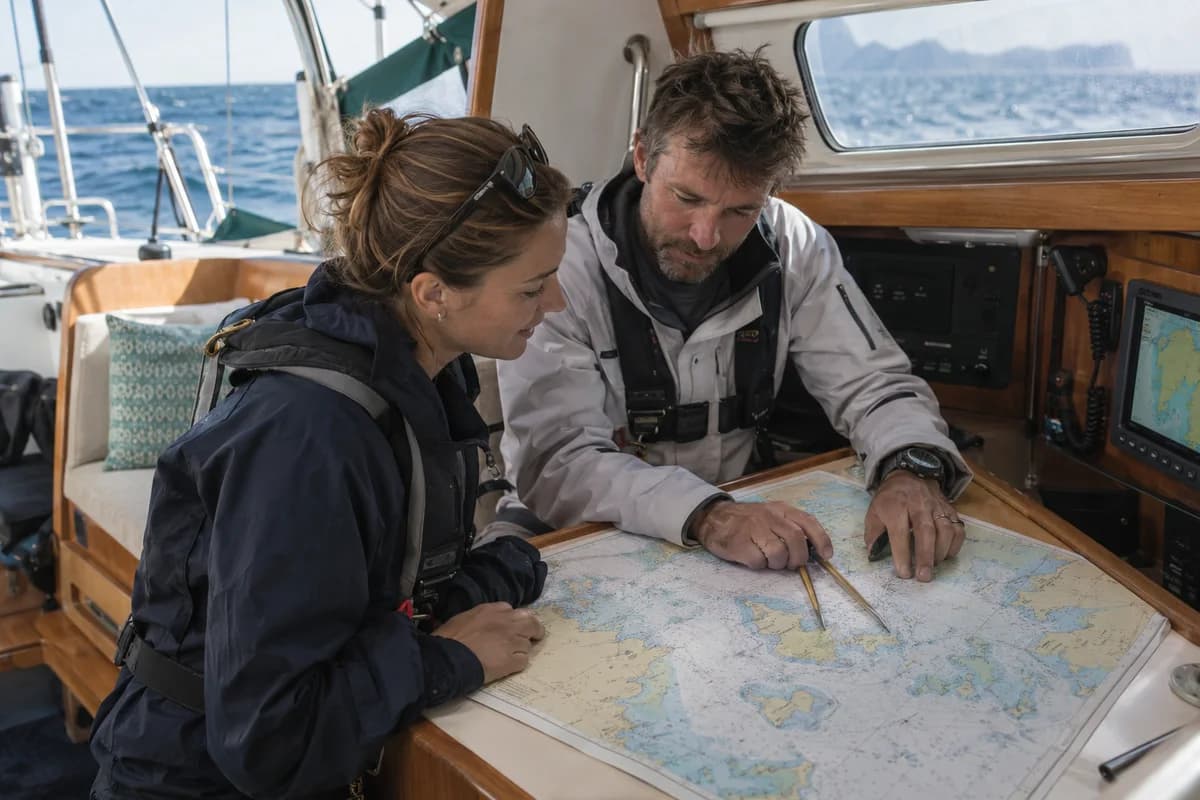
Make skipper training solve a real problem
Turn vague confidence goals into a focused training brief, useful practice and a record of what to work on next.
Read the guide →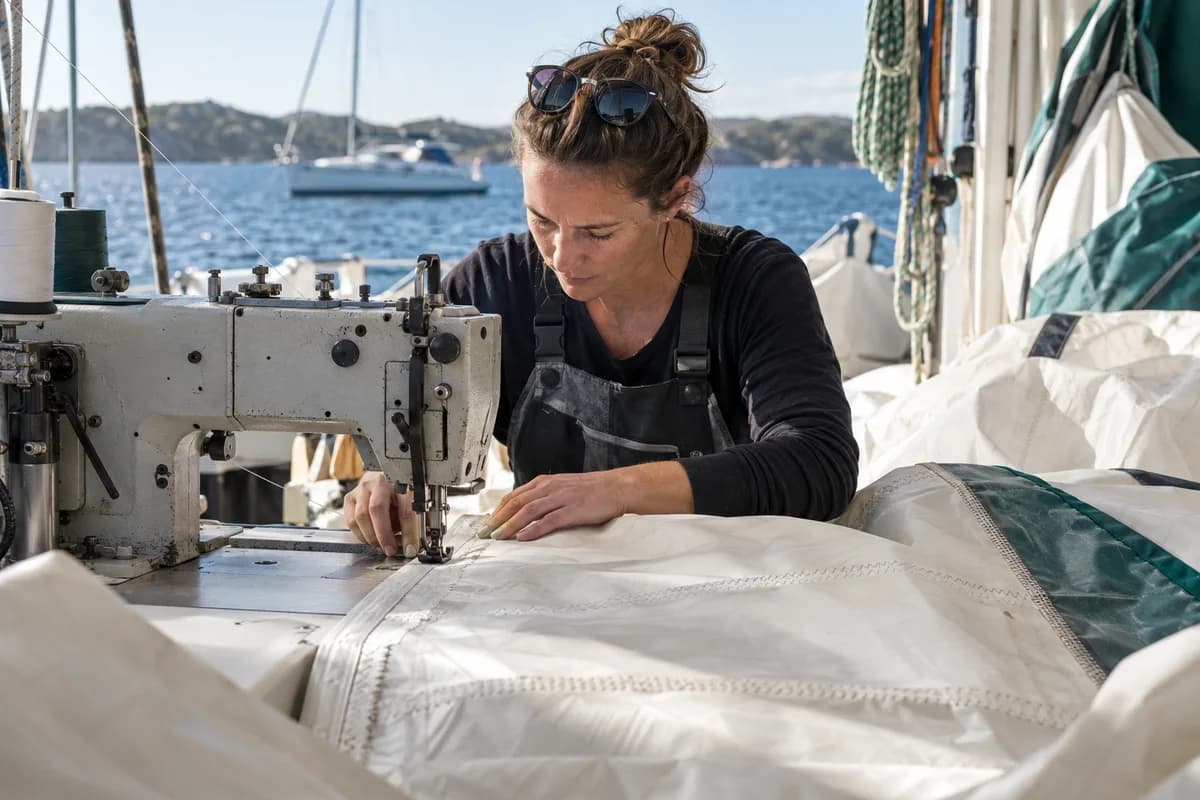
Repair or replace a sail? Prepare a better loft conversation
Document sail condition and sailing goals before comparing repair, alteration and replacement proposals.
Read the guide →
What to send a rigger before an inspection
Prepare rig history, photographs and access details so an inspection starts with the right questions.
Read the guide →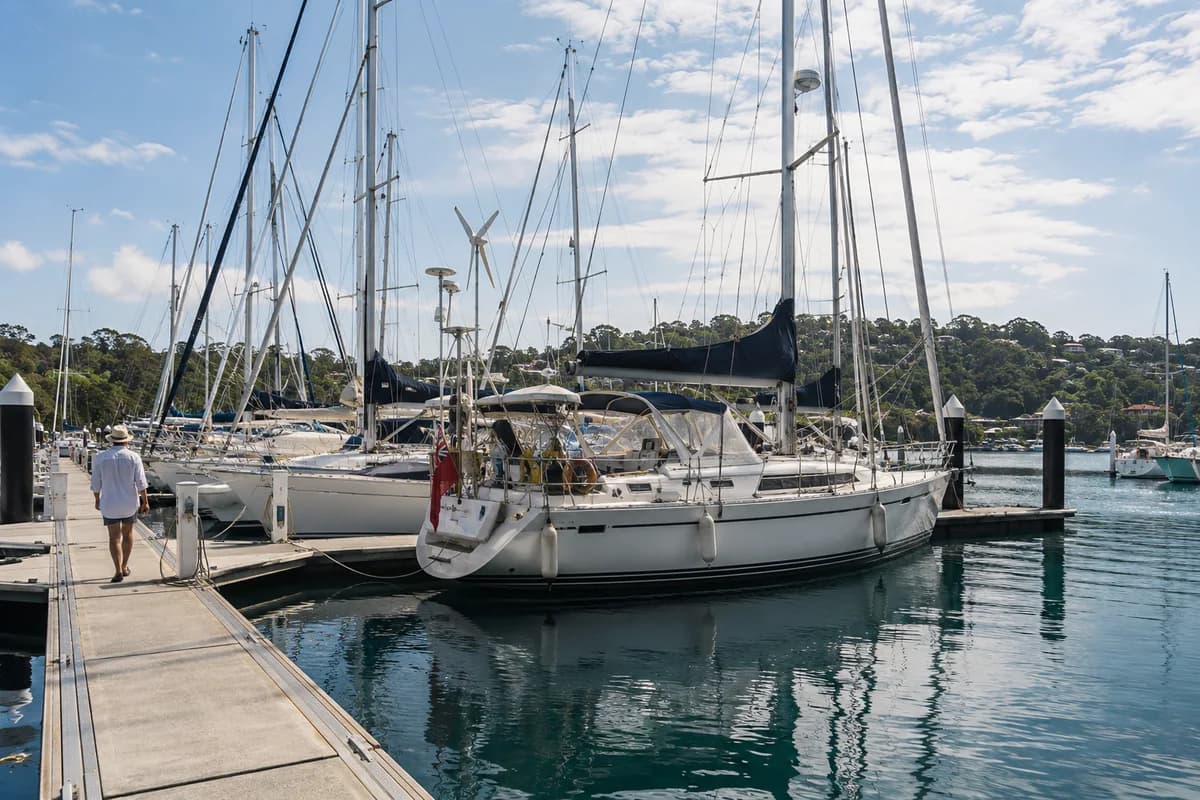
Compare marina berths around your real week
A berth comparison guide covering access, included services, shore-side routines and questions to ask before committing.
Read the guide →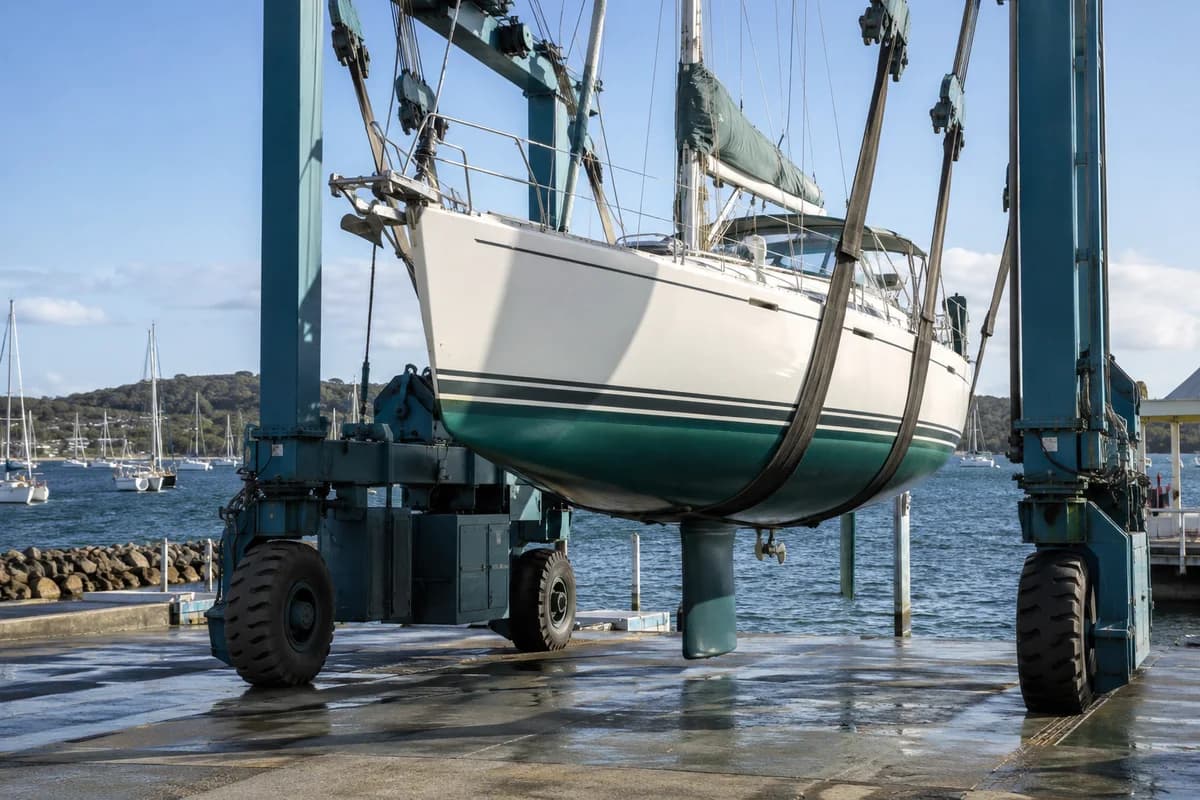
Plan a haul-out that does not become a waiting game
Coordinate the yard, trades, materials and handover before taking a sailing boat out of the water.
Read the guide →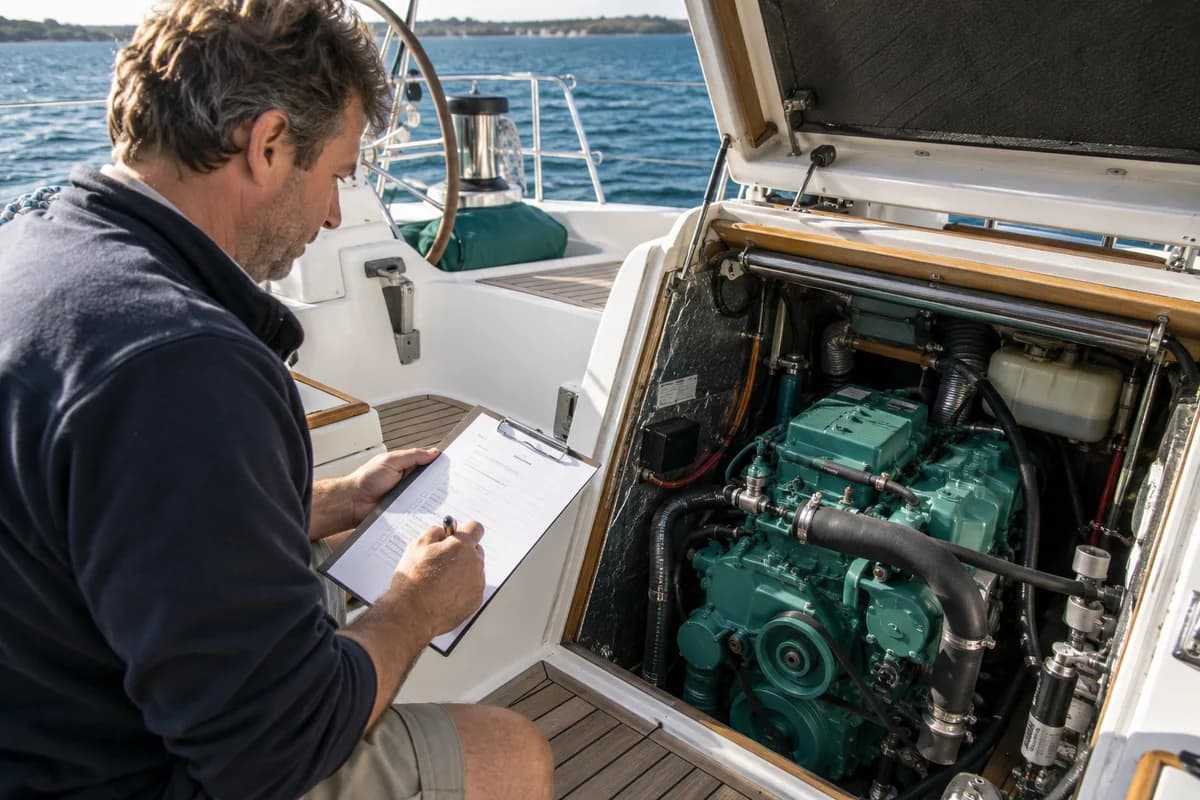
How to compare marine service quotes fairly
Build a clear job brief and compare scope, exclusions, access and handover rather than the headline total alone.
Read the guide →A boat maintenance record you will actually keep
Set up a simple record of equipment, work, receipts and unresolved questions without building an administrative burden.
Read the guide →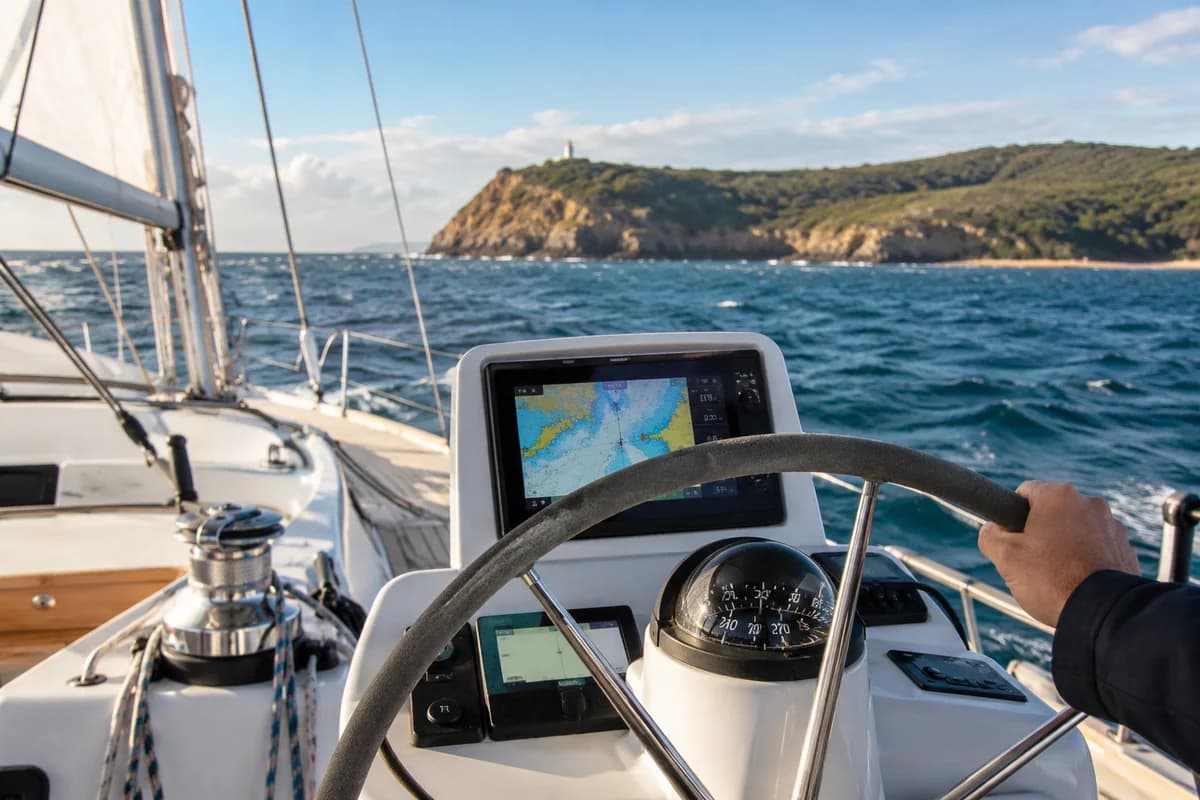
Before you replace the chartplotter: map the whole system
Prepare an electronics upgrade brief around real tasks, existing equipment and installation dependencies.
Read the guide →
Make the most of your sailing charter handover
Prepare questions, crew roles and a departure decision before the first day of a sailing charter.
Read the guide →
Buying a used yacht: organise the people before the excitement
Separate your sailing brief, inspections and ownership planning when viewing a used sailing yacht.
Read the guide →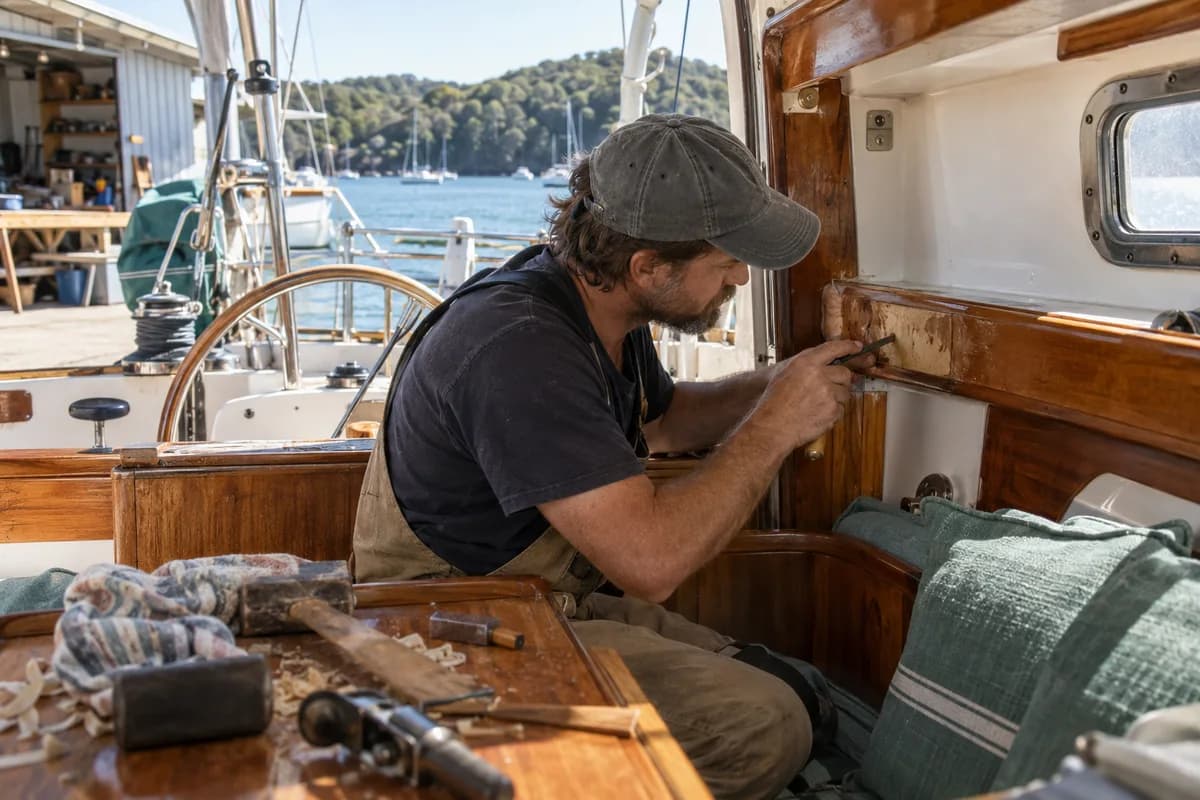
A sailing refit without an endless job list
Prioritise outcomes, coordinate trades and protect decision time when planning a yacht refit.
Read the guide →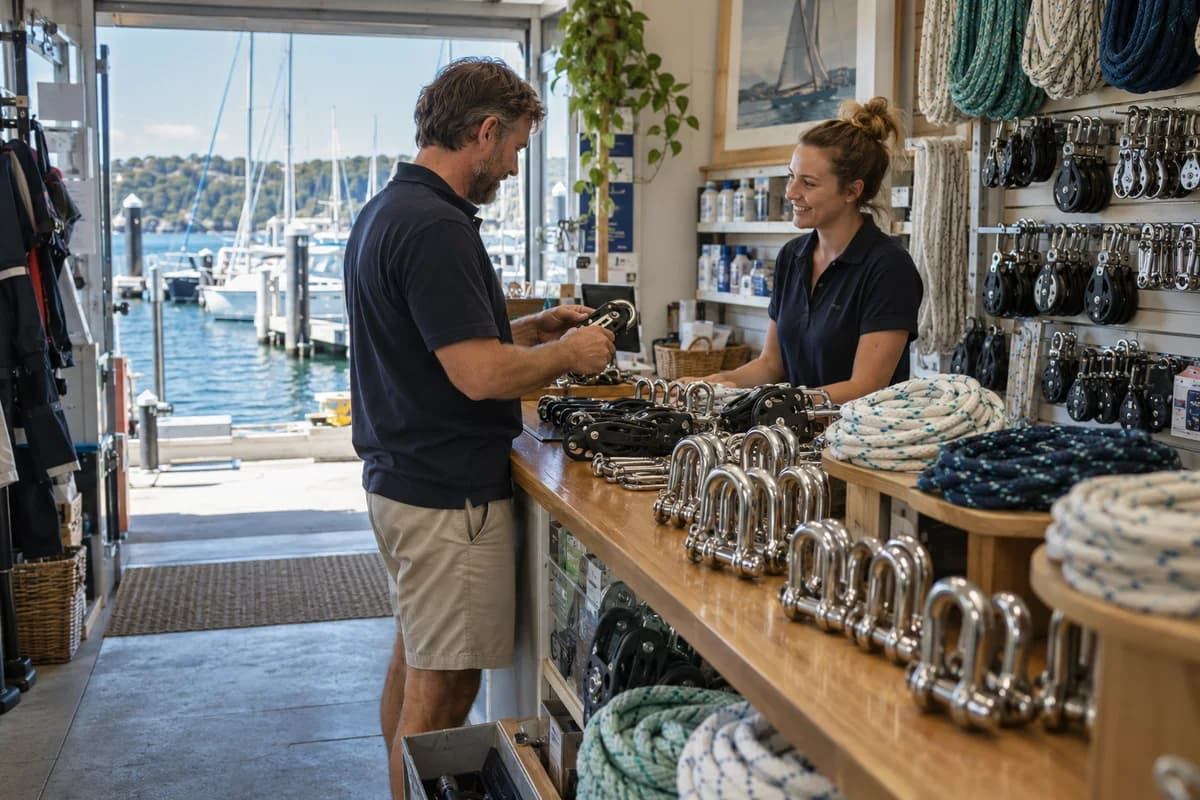
Order the right boat part the first time
Build a useful parts enquiry with model numbers, measurements, photographs and delivery details.
Read the guide →
Build your shoreside crew before a longer sailing trip
Organise service contacts, records and unresolved jobs into a practical preparation plan for a longer voyage.
Read the guide →Compare sailing lessons by what you will actually practise
Choose between introductory experiences, group courses and private lessons using teaching time, feedback and realistic follow-up.
Read the guide →Make a sailing practice plan you can keep
Turn course feedback into a manageable routine of supported practice, useful notes and conversations with your next instructor.
Read the guide →Brief an instructor for own-boat tuition
Plan focused coaching around your yacht, regular crew and real learning needs, with clear preparation and session expectations.
Read the guide →Prepare a useful visitor-berth enquiry
Give a marina the boat details, dates and contact information it needs, and separate reservation planning from navigation.
Read the guide →Finish a marine service job with a useful handover
Collect the work record, understand unresolved findings and agree follow-up before a maintenance job disappears into the invoice folder.
Read the guide →Marine services: plan the job, choose the trade, check the handover
A practical Australian marine-services hub for choosing trades, preparing evidence, comparing scope, coordinating access and keeping useful work records.
Read the guide →Editorial images are AI-generated illustrations, not photographs of listed businesses.