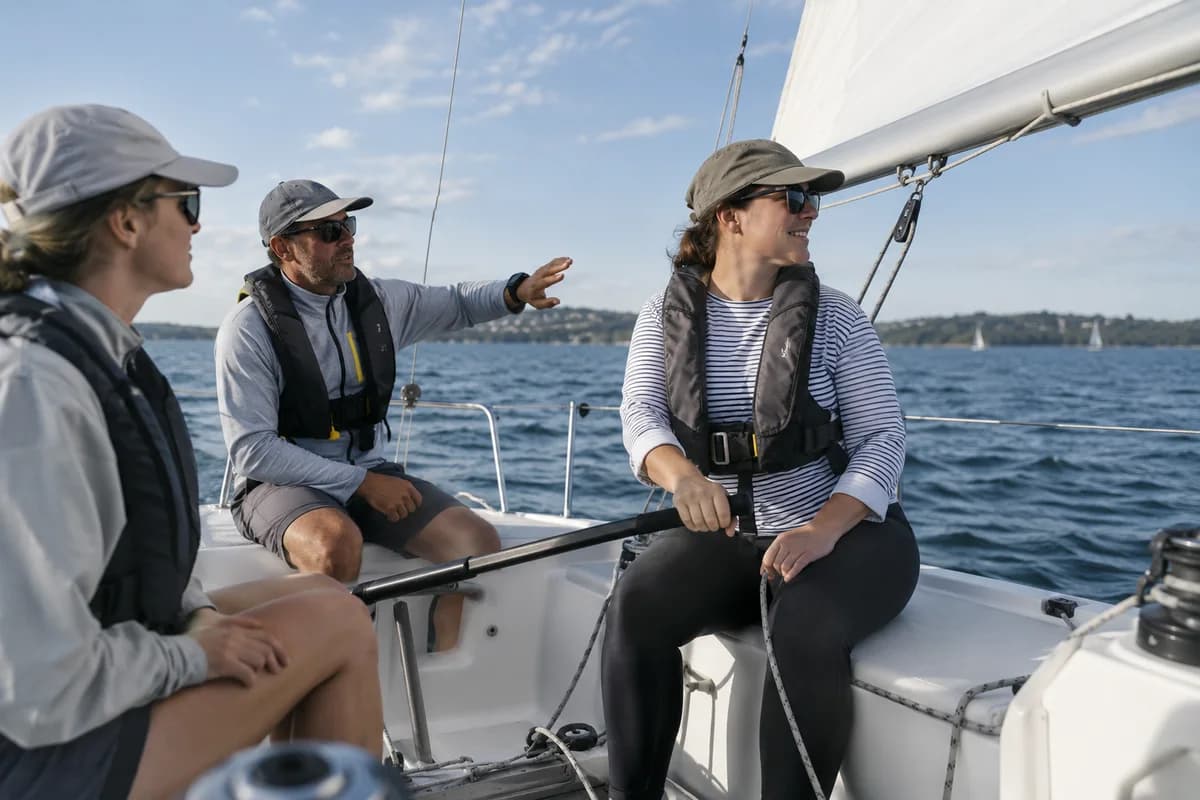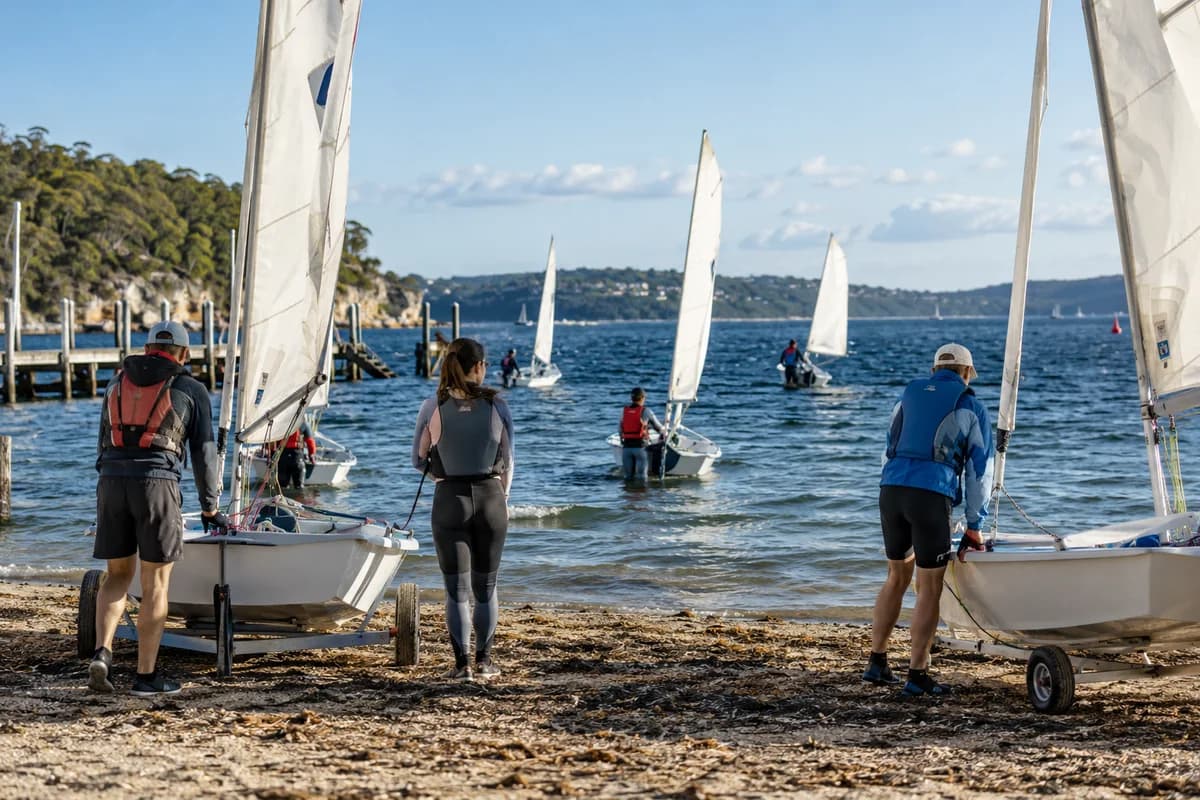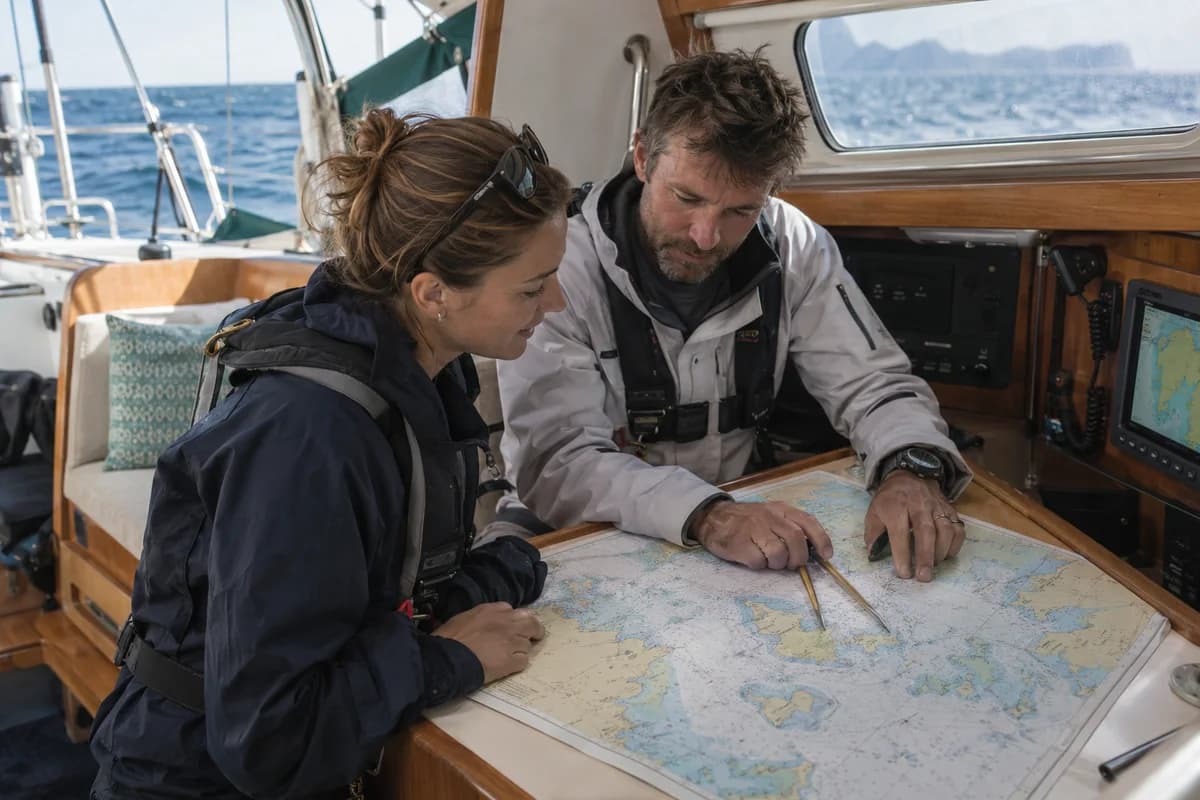
Learning on your own boat can connect instruction with the layout and routines you use regularly. The session still needs a clear purpose, an appropriate instructor and an agreed preparation process. Begin by explaining the decisions you want to improve, not simply asking someone experienced to come sailing.
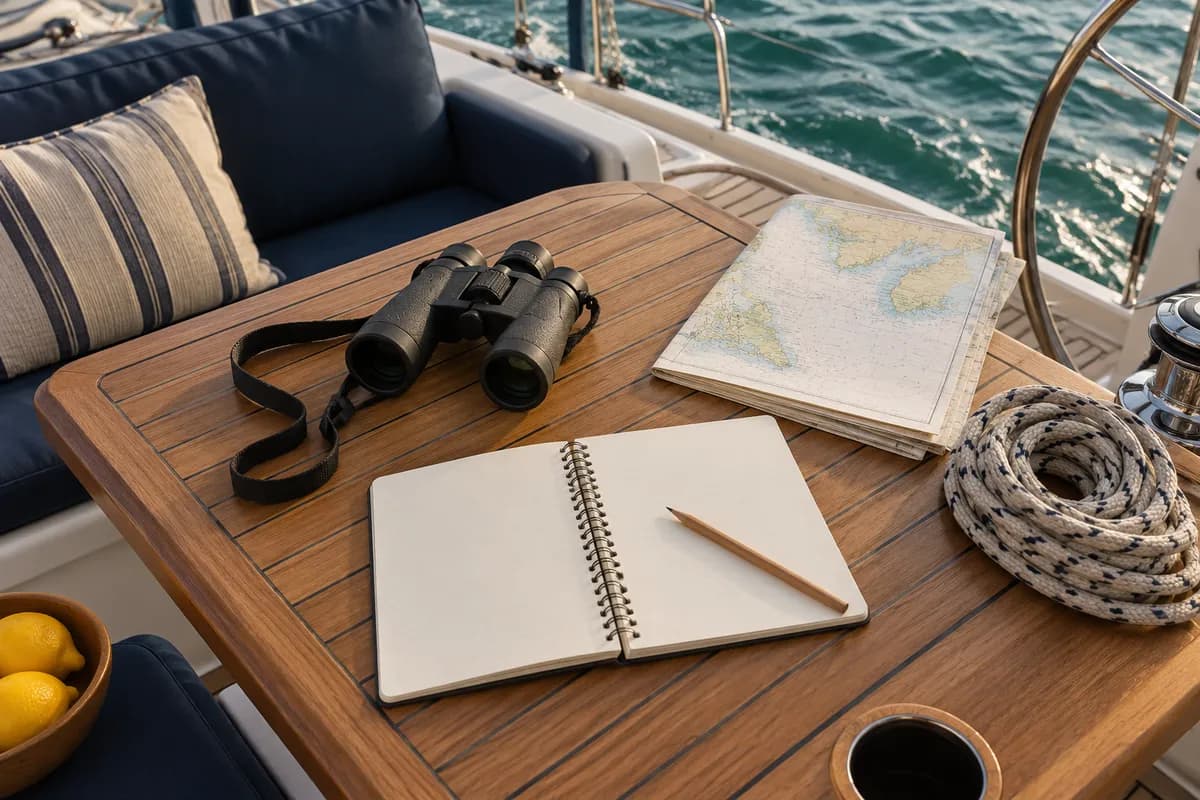
Describe the problem in practical terms
Identify situations that feel uncertain and explain what happens now. Perhaps instructions become confused between crew members, or you want support building a consistent arrival routine. Describe the boat, the usual sailing area and the experience of the people who will attend. An instructor can use those details to propose priorities and decide whether the request fits its services. Avoid turning the initial brief into a technical diagnosis of your own abilities. Candid observations give the provider room to assess the starting point and recommend a sensible structure.
Agree the boat and access preparation
Ask what information the instructor needs about the vessel, equipment and location. Confirm who will be responsible for preparing the boat and what must be resolved before tuition can proceed. The provider may have specific requirements for teaching aboard an owner’s vessel; obtain those directly. Share any known faults or limitations rather than expecting the instructor to discover them during the lesson. Access details also matter: meeting point, gate arrangements and the person who can be contacted on the day. A confirmed instructor booking should be supported by a confirmed practical arrangement.
Distinguish tailored coaching from a formal course
Ask whether the proposed session is coaching, familiarisation or delivery of a named course. If a qualification is important, verify the exact program and whether the proposed arrangement meets its conditions. Do not assume that every hour with an instructor contributes automatically to a certificate. Tailored coaching can be valuable without making that claim. Its outcome might be a clearer routine, specific feedback and a plan for further practice. Put the intended learning outcome in writing so both parties understand what the booking is designed to achieve.
Include the crew who will use the routine
Explain whether you normally sail alone, with a partner or with changing crew. If regular crew attend, identify their goals as well as yours. Ask how the instructor will involve each person and address communication between them. A session can lose value if one participant does all the talking and practising. Agree that questions are welcome and discuss how feedback will be shared. The purpose is to develop a workable approach for the people who actually sail together, rather than stage a demonstration that nobody feels able to repeat later.
Leave with a debrief and boundaries for practice
Allow time at the end to discuss what was covered, what remains unfamiliar and what the instructor recommends next. Write down practical priorities in language you understand. Ask which further practice should involve instruction or other support. Keep equipment or maintenance concerns separate from learning feedback and refer them to the appropriate provider. The session should leave you with a clearer picture of your next step, not an assumption that all aspects of operating the boat have now been assessed. If the brief was too broad for the time available, agree which areas need another session.
Compare proposals by the session they describe
Ask each instructor for a brief outline of the proposed session, the preparation expected and the debrief included. Compare those responses against the situations in your enquiry. One provider might recommend a short assessment before committing to further tuition; another may propose a defined coaching block. Ask why the format fits your starting point. A lower daily price does not settle the question if the offers allocate learning time or preparation differently.
Clarify what happens if the boat or circumstances are unsuitable for the planned session. Obtain the provider’s actual change and cancellation terms and keep them with the confirmation. If travel or accommodation is involved, consider those arrangements separately. You are not trying to secure a guarantee of a particular weather experience. You are making sure that the practical and commercial arrangement is clear enough for both parties to plan responsibly.
Keep technical findings outside the coaching record
An instructor may notice something about the boat that needs attention, but that observation should not quietly become a completed inspection or maintenance assessment. Ask what was observed, what it means for the planned tuition and which appropriate professional should investigate further. Record it separately from your learning priorities. This helps prevent a later conversation from confusing a coaching comment with a formal technical conclusion.
After any necessary work, tell the instructor what changed before a follow-up session. A different control, sail arrangement or equipment layout may affect the learning plan. Keep the session focused on the agreed tuition while allowing the provider to reassess suitability. Clear boundaries protect the value of both services: the trade addresses the boat within its scope, and the instructor helps the crew develop the intended skills and routines.
Compare your starting points.
Familiarisation
A boat or layout is new to the owner.
Which systems and routines will the session cover?
Focused coaching
A known skill or communication gap needs attention.
What preparation helps us use the time well?
Formal training
A named learning outcome or qualification is intended.
Can this arrangement deliver that exact program?
What this looks like in practice.
An illustrative owner wants more confidence using a recently purchased yacht with a partner. Instead of booking an undefined day, they send the instructor the boat details and three examples of communication difficulties. The instructor proposes a focused session and preparation list. The couple then compares that proposal with their goals and agrees the scope before confirming.
Three steps to a clearer decision.
Describe the boat and regular crew.
Disclose known vessel limitations.
Agree coaching versus course scope.
Take this to the conversation.
- Describe the boat and regular crew.
- Disclose known vessel limitations.
- Agree coaching versus course scope.
- Reserve time for feedback and a practice plan.
A useful first message.
Replace the bracketed details with your own. Leave unknown information marked as unknown.
We would like tuition aboard [boat and location]. Our recent experience is [summary], and the regular crew are [participants]. We want help with [specific situations]. Please advise the preparation needed, proposed session structure, requirements for our boat and the feedback we will receive.
Before you make the next move.
Open a question for practical advice to help with your next decision.
Can an instructor also fix problems with the boat?
Do not assume so. Ask about the provider’s role and refer technical faults to the appropriate service professional. Tuition and maintenance are separate scopes.
Can my partner join?
Ask the provider and explain both participants’ goals. Confirm how the format and price change, and how practical learning time will be shared.