Before you dive in.
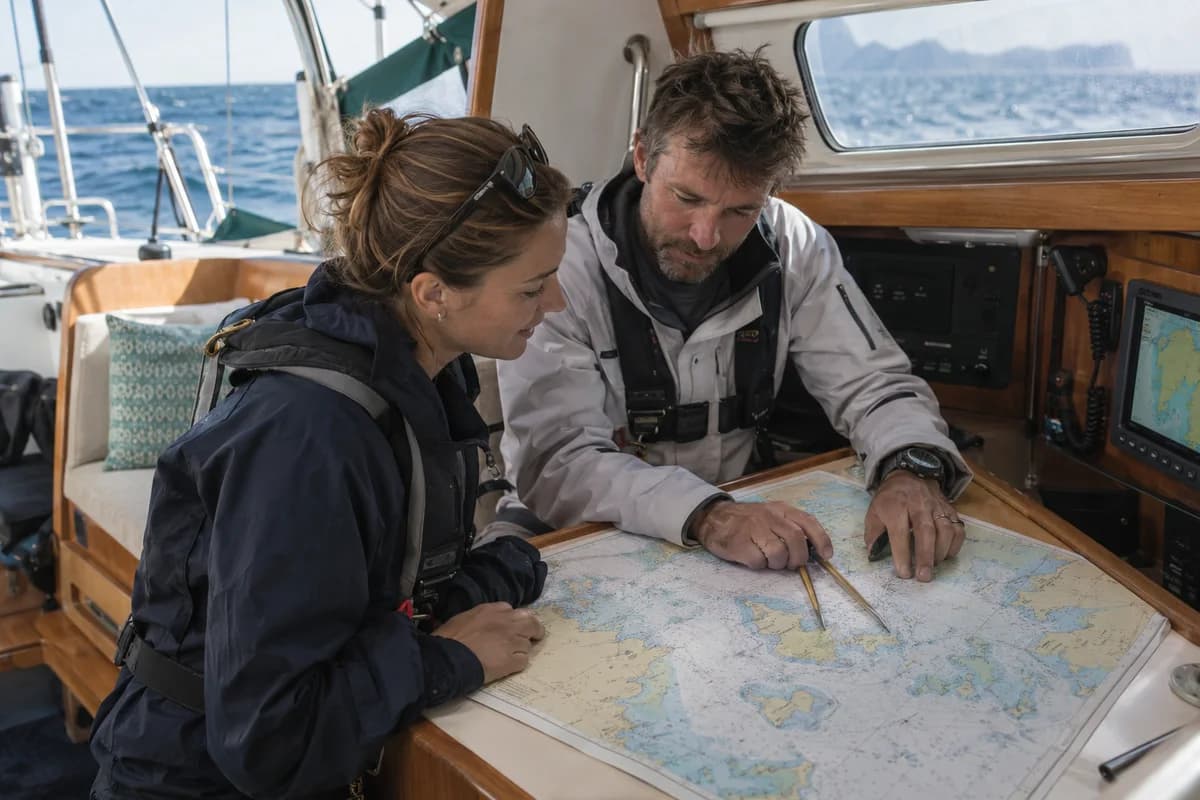
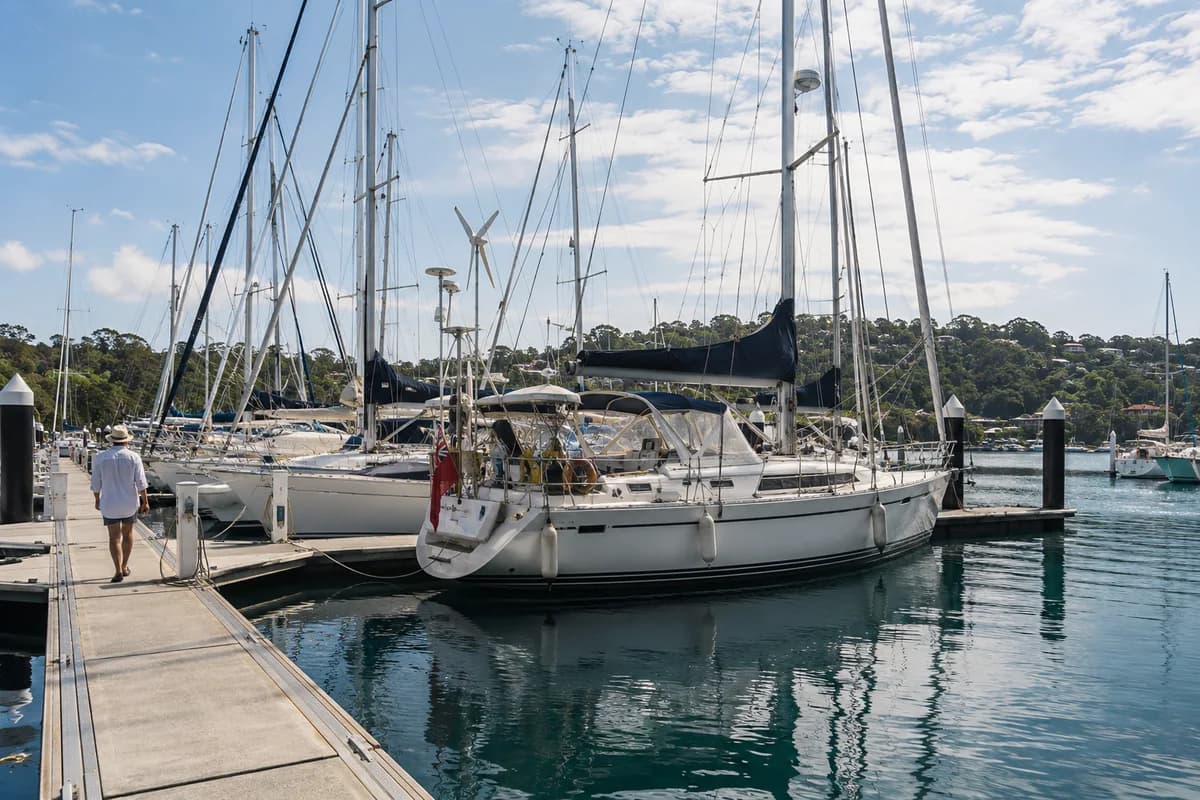
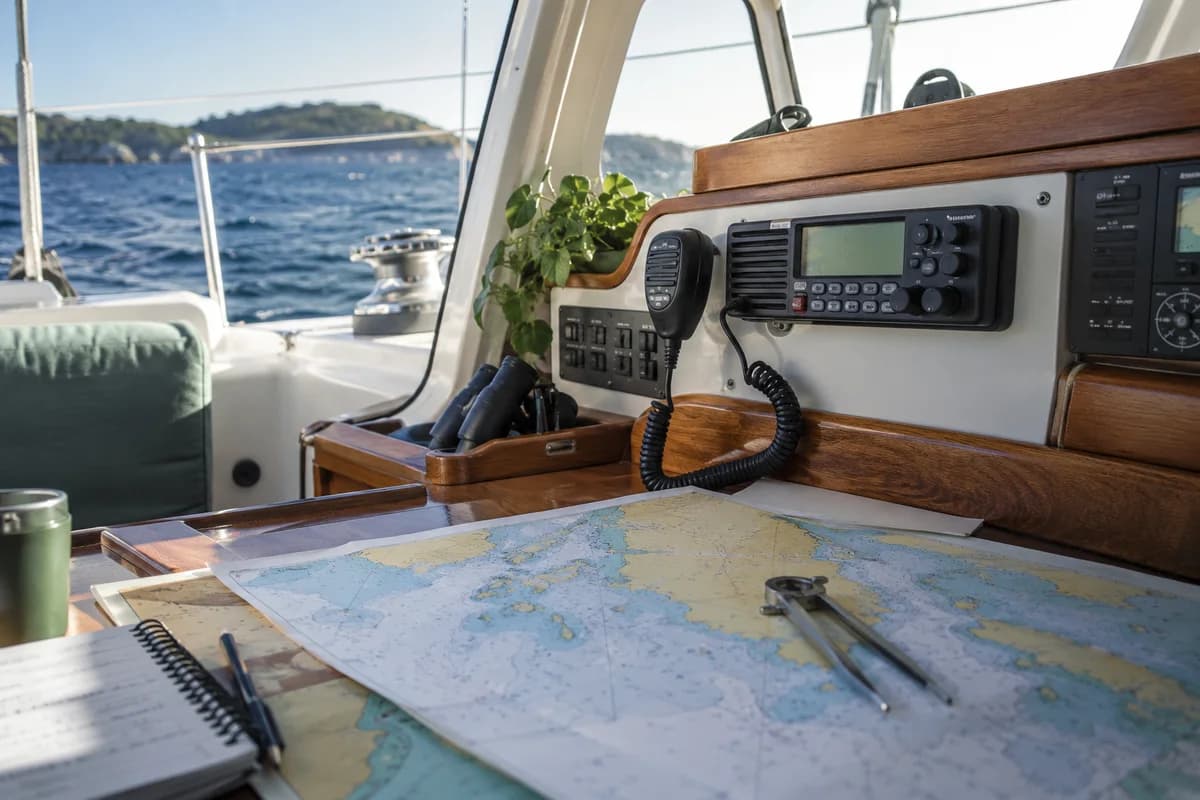
An easy day sail, a skippered escape or a bareboat week each offers a different way to get afloat. Explore charter companies and find an experience that fits your crew and confidence.
- What evidence and briefing does this booking require?
- What is included and what is charged separately?
- How are changes to dates or itinerary handled?
An easy day sail, a skippered escape or a bareboat week each offers a different way to get afloat. Explore charter companies and find an experience that fits your crew and confidence.
Choose the kind of time on the water
A short skippered outing, a private celebration and a bareboat holiday are different experiences. Begin with the crew, the time available and how actively you want to sail. Some visitors want to learn and handle lines; others want to enjoy the scenery while a professional skipper manages the boat. Explain those expectations when contacting an operator. Ask which vessel and format suit the group rather than choosing solely from an appealing photograph. If anyone has particular access, comfort or dietary needs, discuss them early so the business can explain what it can realistically accommodate aboard the proposed boat.
Match responsibility to experience
For a skippered charter, ask who will be aboard, what the skipper's role includes and how the day is normally structured. For a bareboat arrangement, confirm the operator's experience requirements, briefing process and any limits on where or how the vessel may be used. Do not assume that a qualification alone settles suitability for a particular boat or cruising area. Be accurate about your experience and ask questions where the arrangement is unfamiliar. The operator should explain its acceptance and handover process. A comfortable fit between vessel, crew and responsibility is more useful than stretching the booking beyond what everyone understands.
Look at the boat as a place to spend time
Consider cockpit space, shelter, accommodation and the practical needs of the group. If you will sleep aboard, ask about cabin arrangements and what bedding or other equipment is supplied. For a day charter, clarify boarding access, refreshments and the facilities available. Photographs can help, but confirm that they show the vessel being offered or an accurately described equivalent. Ask how much luggage is sensible and what personal items the operator recommends bringing. The most enjoyable charter often comes from matching ordinary needs well, rather than selecting the largest boat or the longest itinerary available.
Understand the full booking terms
Request a clear account of the price, inclusions and additional charges. Ask about deposits, security arrangements, fuel, cleaning and any other items relevant to the specific charter. Read the weather, cancellation and change policies before paying. A sailing itinerary may need to adapt to conditions, so discuss what that means for the experience and the operator's decision-making. If a particular destination or activity is essential to your group, say so without assuming it can be guaranteed. Written terms and realistic expectations are particularly valuable when several people are sharing costs or travelling to reach the departure point.
Prepare for the handover or welcome aboard
Confirm the meeting place, arrival time and contact details close to the booking date. Share requested crew information through the operator's appropriate process and attend the briefing attentively. For a bareboat holiday, allow enough time to understand the vessel and ask questions before departure. Keep the operator's support arrangements available during the trip. For a skippered outing, discuss participation and the day's plan with the crew aboard. A charter works best when the important decisions have already been clarified ashore, leaving room on the water for learning, adapting to conditions and enjoying the sailing itself.
Make the first enquiry count.
Choose a charter around the crew and the experience you want. Describe recent sailing experience honestly and ask the operator about the boat, handover, permitted use and support. Leave room in the first day to understand the vessel instead of scheduling an ambitious departure immediately after arrival.
What a useful quote should settle
Compare included services, experience requirements, briefing, support, operating arrangements and the return process.
How to compare marine service quotes →Which conversation do you need?
Start with the situation that describes what you need. These are different enquiry briefs, so ask the provider to confirm the scope that fits yours.
First charter enquiry
The crew and desired experience need matching.
How does the operator assess suitability?
Bareboat discussion
The booking relies on crew capability.
Which experience and handover arrangements apply?
Skippered option
A professional skipper forms part of the experience.
What participation and learning opportunities can the crew expect?
Put the service in its sailing context.
Compare the regional factors and connected services that can shape this decision. These selected passages are read from YouSail’s published guides, alongside our enquiry advice above. Open the places and topics relevant to your boat; confirm current arrangements with the provider.
Bareboat, charter and ex-charter service realitiesMarine Services in the Whitsundays: The Complete Sailor’s Guide
The Whitsundays are one of Australia’s major bareboat and charter regions. That affects service planning for both owners and buyers.
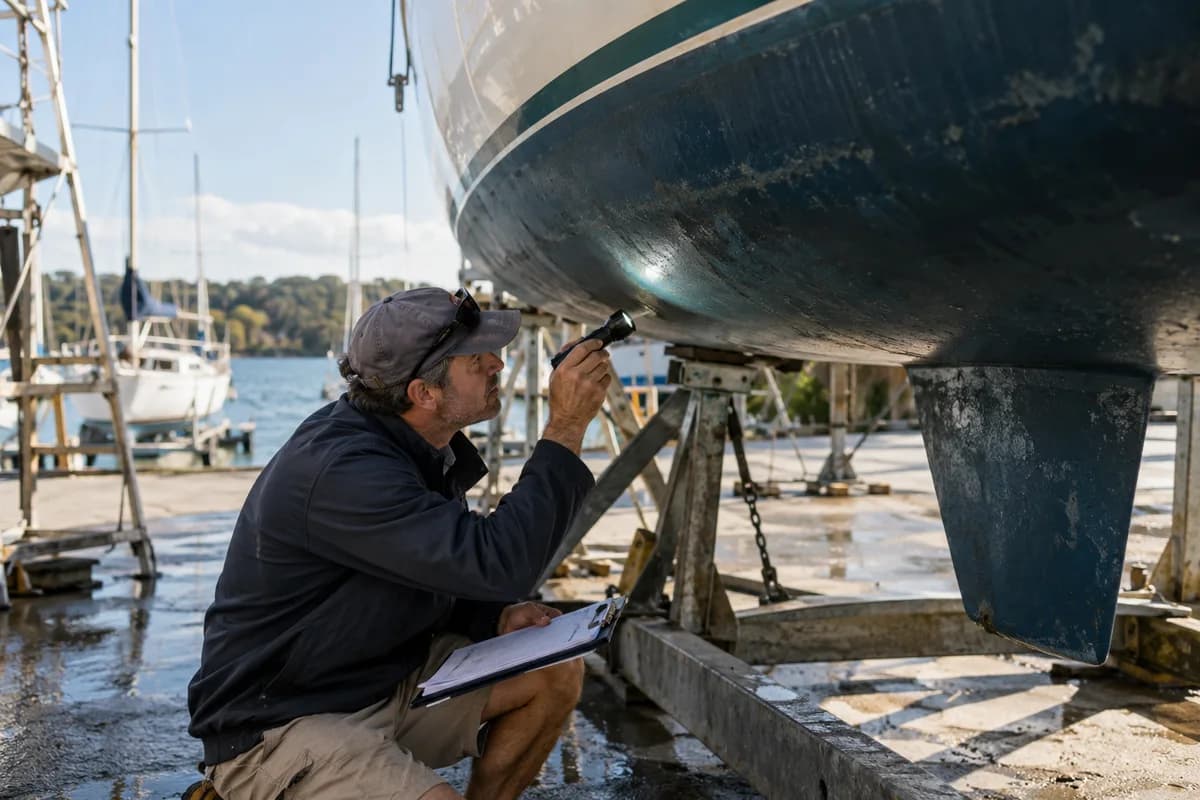
Charter boats often get regular maintenance, but they also work hard. They can see heavy engine hours, frequent anchoring, tender wear, sail-handling mistakes, hard gybes, winch abuse, interior wear, repeated groundings or near-groundings, sunscreen and salt damage, wet upholstery, overloaded refrigeration and quick turnaround repairs. An ex-charter yacht may have a useful service history, but it still needs a careful survey, engine check, rigging review, sail inspection and systems assessment.
Coral Sea Marina’s scale and tourism role are part of this context. The marina says it is home to 80 percent of the region’s on-water tourism products, which shows how concentrated the local marine economy is around charter and tourism operations.
A sailor buying or maintaining a Whitsundays charter or ex-charter yacht should check keel and rudder, saildrive, engine hours, gearbox, fuel system, standing rigging, sails, deck hardware, refrigeration, freshwater system, holding tank, upholstery, bilge pumps, navigation electronics, solar, anchor gear, dinghy, outboard and maintenance records.
Use YouSail Boats and YouSail Marine Directory together when researching ex-charter purchases or charter-capable yachts.
Read the complete YouSail guide ↗ · Source updated 24/08/2026
Magnetic Island Race Week preparationMarine Services in Townsville: The Complete Sailor’s Guide
Magnetic Island Race Week gives Townsville a sailing profile that many service towns do not have. The event is hosted by Townsville Yacht Club, and official race-week material describes Magnetic Island as sitting off Townsville within the World Heritage listed Great Barrier Reef Marine Park. Townsville Yacht Club’s own material identifies Magnetic Island Race Week as a major sailing event, and the club’s marina and racing environment is closely tied to it.
For race boats, service priorities are different from pure cruising. Bottom condition, sail shape, rig tune, halyard condition, sheet leads, winches, deck hardware, electronics, safety gear, engine reliability and marina logistics all matter. Because berths at Magnetic Island Marina can be heavily shaped by race-week demand, race boats should organise berthage, fuel, sail repairs, rigging checks and parts early. Magnetic Island Marina’s race-week page notes that private bookings are not considered during the race-week period because the marina is reserved for racing vessels.
A Townsville service guide should treat race-week preparation as a real service scenario, not just an event mention.
Read the complete YouSail guide ↗ · Source updated 24/08/2026
Before you go: preparation and preventionPreventing and Managing Seasickness at Sea
- Choose the right trip and timing: plan shorter first outings or sheltered waters for people prone to motion sickness. Avoid heading out late in a blow if you can.
- Rest and hydration: make sure everyone has had a good night's sleep and is hydrated before departure.
- Food and alcohol: eat a light, bland meal before leaving (avoid greasy, spicy or heavy foods) and discourage alcohol before or during rough conditions.
- Medication and medical advice: if someone regularly gets seasick, advise them to speak to a GP or pharmacist before the trip about appropriate medication. Do not invent doses—follow professional advice and product instructions.
- Non-pharmacological aids: consider wrist acupressure bands, ginger sweets or lozenges and acclimatisation trips to build tolerance.
- Brief the crew: explain symptoms to watch for and agree a plan for who will manage an affected person and what actions to take early.
Read the complete YouSail guide ↗ · Source updated 25/08/2026
Good habits every skipper and crew should adoptSailing Safety for Beginners: Essential Equipment, Rules and Habits
Habits matter more than any single piece of equipment. Adopt these routines to make each outing safer and more enjoyable.
- Pre-departure checklist: Brief crew, check lifejackets, fuel, engine, communications, weather and planned route. Ensure someone ashore knows your plan and expected return time.
- Briefing onboard: Assign simple roles: helm, headsail, lookout, and explain what to do in a man-overboard or equipment-failure scenario.
- Manage crew movement: Keep weight balanced; move deliberately and use handholds. Brief inexperienced crew on staying low and clipped in if necessary.
- Practice basic manoeuvres: Regularly rehearse tacking, gybing and man-overboard drills in calm conditions so crews respond calmly under pressure.
- Conservative decision-making: If conditions deteriorate or someone is uncertain, choose the safer option—return to shelter or shorten the trip.
- Post-trip checks: Stow gear properly, inspect for saltwater damage, and note anything that needs maintenance before the next outing.
Read the complete YouSail guide ↗ · Source updated 25/08/2026
Storage, storm preparation and leaving a boat in GladstoneMarine Services in Gladstone: The Complete Sailor’s Guide
Gladstone can be a practical place to leave a boat, but the decision should be made with storm, heat, humidity, insurance and access in mind.
Gladstone Marina offers long and short-term berthing and mooring options, and GPC requires insurance details for vessels using the marina and Auckland Creek facilities. Fodico Marine Group notes hardstand areas and cyclone-rated wet berths for vessels up to 50 m LOA at its Gladstone Marina base.
A Gladstone storage plan should include insurance confirmation, storm lines, chafe gear, sails removed or secured, canvas checked, bilges clean, batteries maintained, shore power inspected, seacocks checked, fuel treated, fridge emptied, mould prevention, emergency contact lodged and access permissions confirmed.
Queensland heat and humidity keep working while the owner is away. A boat left in Gladstone still needs checks.
Read the complete YouSail guide ↗ · Source updated 27/08/2026
Practical example: planning a day sail to an island anchorageSailing the Southern Great Barrier Reef
- Check weather and swell forecasts for a 24–48 hour window and identify a preferred departure window when winds are light and stable.
- Study the charted approach: mark the channel entry, slack water time for the pass, and alternative sheltered anchorages if conditions deteriorate.
- Confirm mooring availability and any local restrictions for the island anchorage; if relying on a mooring, have anchor gear ready as a backup.
- Brief the crew: roles for sail handling, lookout, anchoring and emergency procedures including man overboard recovery.
- Maintain conservative speed and a wide margin to reef edges on approach; if visibility or currents are poorer than expected, delay the approach.
Read the complete YouSail guide ↗ · Source updated 31/08/2026
Next stepsSailing the Whitsunday Islands
- Decide on dates and create a flexible route with safe alternates for weather changes.
- Contact local marinas or charter operators if you need boat hire or local advice on moorings and park rules.
- Gather charts, tide tables and up-to-date notices, and complete the pre-departure checklist above.
- On arrival, respect moorings and protected areas, keep noise and waste to a minimum, and enjoy responsible anchoring and snorkelling practices.
Enjoy sailing the Whitsundays with careful planning, respect for the marine environment and conservative decision-making. A well-prepared trip increases safety, comfort and the chance to experience the region's best anchorages and reefs.
Read the complete YouSail guide ↗ · Source updated 31/08/2026
Crew brief and rolesSailing at Night: Preparation, Navigation and Watchkeeping
Hold a short briefing before dusk so everyone understands the plan and their responsibilities.
- Assign the night skipper and watch leaders, and agree how and when leadership changes occur.
- Describe the watch rotation, expected duties during a watch and how to call the skipper or wake the officer of the watch in an emergency.
- Explain the lookouts, lighting discipline (red lights only below decks), helm and sail settings for the planned conditions.
- Review man-overboard procedures, engine start procedures and how to use onboard communications (VHF channels and DSC basics) — ensure everyone knows where safety equipment is stored.
Read the complete YouSail guide ↗ · Source updated 25/08/2026
Crew briefing and watchkeepingPlanning an Offshore Passage Along the NSW Coast
Brief the crew before departure so everyone knows their role and what to do in common situations.
- Explain the route, expected conditions and captain’s decision thresholds (when to heave to, divert, or return).
- Assign watch rotations that allow for adequate rest. For small crews, short rotating watches keep people alert; for longer passages, use longer night watches where practical.
- Teach basic lookouts, AIS interpretation, and man‑overboard procedures. Practice MOB drills in daylight before leaving if possible.
- Agree on communications signals, both spoken and visual, for key actions like altering course, reducing sail or MOB.
Read the complete YouSail guide ↗ · Source updated 31/08/2026
Example day sail plan for beginnersSailing with Children, Guests or Inexperienced Crew
Here is a simple sequence for a successful short sail with children or beginners:
- Pre-departure briefing, lifejacket fitting and sunscreen application.
- Cast off, stay close to shore in sheltered water and cruise at an easy pace for 30–60 minutes.
- Anchoring or settling at a quiet bay for a snack, supervised swimming where conditions and local rules allow, or shore visit.
- Short return leg with a role swap—allow a supervised turn at the helm or simple line-handling tasks.
- Debrief on return—what they enjoyed, what they would like to try next time.
Read the complete YouSail guide ↗ · Source updated 25/08/2026
Overnight anchoring: preparation and what to practiseThe Complete Australian Anchoring Guide
- Increase scope for the night and rig a snubber to absorb shocks.
- Secure all deck gear and reduce windage.
- Assign watch duties and rehearse alarm response: what each person does if the alarm sounds.
- Practise retrieving and re-setting at night in calm conditions to become familiar with light limitations.
Scenario: On a multi-night stay in Kangaroo Island, the crew increased scope, set the snubber and agreed a simple watch sheet. When a pre-dawn squall hit, the anchor held and the early watch adjusted scope and checked bearings until the wind abated.
Read the complete YouSail guide ↗ · Source updated 25/08/2026
Practical preparation stepsSailing Port Stephens: Nelson Bay, Myall Coast and Offshore Waters
- Check the latest marine weather forecast, swell and radar, and plan a go/no-go decision with margins for change.
- Study charts and tide tables for intended anchorages and routes; mark hazards and alternative shelter.
- Inspect and stow safety gear, confirm communications and battery charge, and brief the crew on simple emergency roles.
- Leave a float plan with a responsible land contact detailing intended route, timings and vessel description.
- Monitor conditions during the trip and be prepared to change plans early rather than react to a deteriorating situation close to hazards.
Read the complete YouSail guide ↗ · Source updated 31/08/2026
Practical checklist before an afternoon sailWestern Australian Weather for Sailors: Fremantle Doctor, Sea Breezes and Coastal Systems
- Check the marine forecast and note the predicted synoptic wind and any sea‑breeze mentions.
- Plan for wind to build through the day; rig reefing points and secure loose gear.
- Brief crew on expected conditions, man‑overboard procedures and where to shelter if wind strengthens.
- Choose an anchorage or waypoint with protection from the expected wind direction if you intend to stop in the afternoon.
- Allow extra daylight for harbour return if the wind may ease late and make motoring in choppy seas uncomfortable.
Read the complete YouSail guide ↗ · Source updated 24/08/2026
Equipment and boat preparationSailing Esperance and the Recherche Archipelago
Prepare the boat for remote coastal cruising:
- Reliable engine and electrical systems with spare filters, belts and tools for routine repairs.
- Navigation electronics with redundancy (backup GPS, charts and compass).
- Anchoring gear: good primary anchor, secondary anchor and suitable chain/rope rode; warps and fenders for stern or alongside rafting if needed.
- Safety gear: personal flotation devices, harnesses and tethers for deck work in rough conditions, and an effective bilge pump arrangement.
Read the complete YouSail guide ↗ · Source updated 24/08/2026
Step 1 — Choose a route that fits your boat and crewHow to Plan a Coastal Sailing Passage
Pick a route that matches your vessel's seakeeping, fuel and water capacity, and the experience and fitness of your crew.
- Coastal day hops: shorter distances between ports, easier to shelter, suitable for less experienced crews.
- Open coastal legs: longer exposure to swell and wind; need better seaworthiness and reserve fuel.
- Use well‑charted channels and keep clear of known hazards such as reefs and mining exclusion zones shown on official charts.
Read the complete YouSail guide ↗ · Source updated 25/08/2026
Pre-departure checks and crew briefingPlanning a Coastal Passage Along Western Australia
- Walk through a formal pre-departure checklist: engine, steering, sails, rigging, anchor and ground tackle, navigation lights and bilges.
- Brief the crew: roles for watchkeeping, helm, sail changes, man-overboard procedures and where safety equipment is located.
- Agree on conservative go/no‑go criteria: minimum daylight for harbour approaches, maximum wind or sea conditions you will accept, and when to divert to the nearest safe haven.
Read the complete YouSail guide ↗ · Source updated 25/08/2026
Boat and equipment preparationSailing at Night: Preparation, Navigation and Watchkeeping
- Check and test navigation lights, including power sources and spare bulbs or LEDs.
- Confirm backup power for electronics (second battery, power bank or portable charger) and know how long instruments will run.
- Ensure radar, GPS, AIS and chartplotter are functioning and updated; keep a charged handheld GPS and torch accessible.
- Fit red or shaded cabin lights to preserve night vision and have plenty of fresh batteries for torches and instruments.
- Secure loose gear and batten down hatches to reduce noise and movement that can disrupt sleep during watches.
Read the complete YouSail guide ↗ · Source updated 25/08/2026
Essential points to coverSailing with Children, Guests or Inexperienced Crew
- Where lifejackets are stored, when they must be worn and how to fit them properly.
- Safe areas to sit or hold on while the boat is moving.
- How to move around the boat—no running, one hand for the boat, low centre of gravity when stepping.
- Who to call in an emergency (skipper’s voice or radio) and where the fire extinguisher and first-aid kit are located.
- Simple rules around the cockpit, companionway, boom and winches (stay clear of the boom, do not touch moving lines).
Read the complete YouSail guide ↗ · Source updated 25/08/2026
Three steps to a clearer decision.
How does the operator assess suitability?
Which experience and handover arrangements apply?
What participation and learning opportunities can the crew expect?
Arrive with the right information.
Describe the group, experience, preferred area and style of trip. Distinguish skippered charter from taking responsibility for the boat yourselves. Give the operator the actual experience of the proposed skipper and crew rather than only a certificate title.
Three questions worth asking
- What evidence and briefing does this booking require?
- What is included and what is charged separately?
- How are changes to dates or itinerary handled?
What to keep afterwards
Keep the booking terms, handover record and agreed contact arrangements. Ask questions about unfamiliar equipment during the operator’s briefing and document existing issues through its process.
Plan a useful handover →Before you make the next move.
Open a question for practical advice to help with your next decision.
Is bareboat charter suitable for every sailing group?
Ask the operator to assess the experience and arrangements for your particular booking. A skippered option or further training may be more appropriate. Do not treat enthusiasm or a general course history as automatic suitability.
What should I confirm before arrival?
Check the meeting time, documents, equipment or clothing to bring, provisioning arrangements and who should attend the handover. Ask how changes to plans are communicated and what the operator needs from the crew in advance.
Sailing charter company: enquiry checklist
Use this to prepare your first enquiry. Print a copy to keep with your notes.
0 of 5 ready · Checks reset when you leave this page.