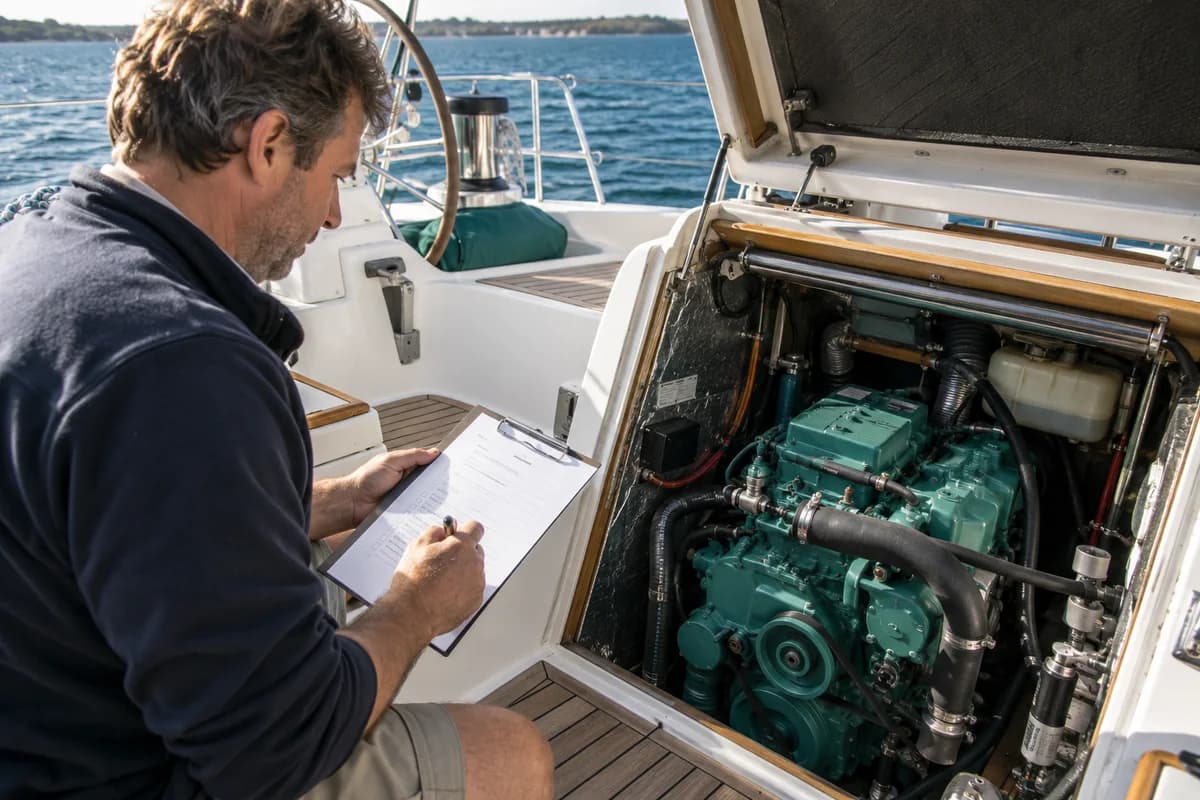
Buying and selling a yacht involves more than matching a boat to a price. Explore brokerages to discuss your plans, the kinds of vessels they handle and their approach to the sales process.

Choose a broker around the boat decision
A yacht brokerage can help organise the process of buying or selling, but the right fit depends on the vessel and the service you need. Start with the type of boat, intended use and the area in which you want to transact. Ask whether the brokerage regularly handles comparable sailing yachts and how it works with owners and prospective buyers. A strong local presence may be useful, while specialist knowledge of a particular market can matter for an unusual vessel. Avoid judging the service solely by the number of attractive boats on the website or a confident suggested price.
Clarify representation and responsibilities
Ask who the broker represents in the transaction and what work it undertakes for that party. Buyers and sellers should understand the role rather than assume the same relationship applies to both. Request the relevant terms and have fees, inclusions and responsibilities explained before entering an agreement. If you need legal, tax or other professional advice, obtain it from an appropriate adviser for your circumstances. A directory guide cannot interpret a contract or establish that a particular transaction protects your interests. Clear roles make the later conversations about inspections, offers and completion easier to follow.
Prepare useful information as a seller
Gather the boat's specifications, ownership records, equipment details and maintenance history that you can legitimately provide. Identify what is known, what has changed and what remains uncertain. Discuss with the broker how the vessel will be presented and which claims need supporting information. Good photographs help, but they should not replace an accurate description of condition and equipment. Ask how viewings are arranged, how enquiries are handled and how you will receive updates. A written plan for the service is more useful than a broad promise of exposure without an explanation of how the listing will be managed.
Keep inspection decisions independent as a buyer
Explain your intended sailing and practical limits before shortlisting boats. Ask for available records and clarify which equipment is included. Arrange the appropriate independent assessments for the vessel and transaction, rather than treating a sales description as a condition report. Discuss access, timing and any conditions with the relevant professionals before making commitments. A survey, an engine assessment and a sea trial can answer different questions; the scope should suit the boat and your concerns. The broker can help coordinate access, but you need to understand who is advising you and what each assessment actually covers.
Compare the process through to handover
Ask how offers, documentation, payments and delivery are managed, and obtain advice where the process is unfamiliar. Clarify the practical arrangements for keys, manuals, equipment and the boat's location at handover. If you are selling, ask what happens if the listing is withdrawn or the agreement ends. If you are buying, plan time to learn the vessel before a long delivery trip. Keep the transaction records and relevant maintenance information organised. Choosing a brokerage should leave you with a clear understanding of its service and the other professional help you may need, rather than the impression that one intermediary replaces every assessment.
Make the first enquiry count.
A broker enquiry is more useful with a written boat brief and a realistic description of intended use. Ask who the broker represents and how viewings, information requests and professional inspections are coordinated. Keep documented facts distinct from statements that still need verification.
What a useful quote should settle
Clarify the service, responsibilities, information supplied, arrangements for independent advice and the agreed transaction process.
How to compare marine service quotes →Which conversation do you need?
Start with the situation that describes your job. These are different enquiry briefs, so ask the provider to confirm the scope that fits yours.
Initial shortlist
You are comparing boats against a written brief.
Which reported details still need verification?
Viewing arrangement
You want useful access and available records.
What can be prepared before the visit?
Assessment stage
Independent professional findings are required.
How are access and the appropriate process coordinated?
Three steps to a clearer decision.
Which reported details still need verification?
What can be prepared before the visit?
How are access and the appropriate process coordinated?
Before you make the next move.
Does a listing replace an independent inspection?
No. A listing introduces a boat and its reported details. Discuss the appropriate assessments with independent professionals and make sure their scope matches your intended use and any requirements of the purchase process.
What should I ask before a viewing?
Ask what records are available, where the boat can be accessed and whether there are known matters relevant to your brief. Send focused questions so the viewing can address suitability rather than reconstruct basic information.
Yacht brokerage: enquiry checklist
Use this to prepare your first enquiry. Print a copy to keep with your notes.
0 of 5 ready · Checks reset when you leave this page.