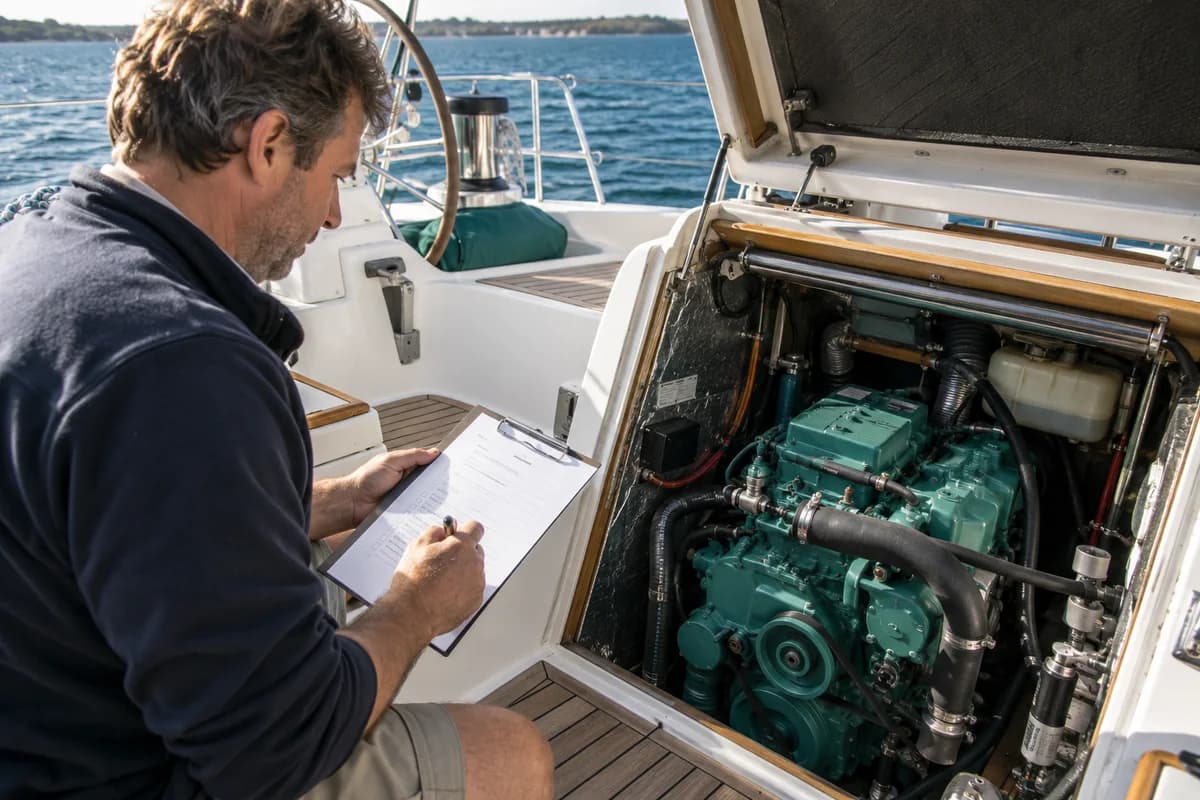
Your cruising area, storage and sailing activities are useful starting points for an insurance conversation. Find marine insurance businesses and take your particular circumstances to them.

Prepare the facts of your boating life
A marine insurance conversation is easier when you can describe the boat and how it is used accurately. Gather the vessel's identifying details, location, ownership information and any existing documents the provider requests. Explain your intended sailing area, storage arrangement and activities, including any plans that differ from ordinary private use. Do not omit a detail because you assume it is unimportant; ask the insurer or intermediary how it affects the application. This category guide helps you prepare questions and compare information. It does not recommend a policy or determine the cover appropriate to your personal circumstances.
Understand who is providing the service
A business may be an insurer, broker or another type of intermediary. Ask it to explain its role, the products it can arrange and any fees relevant to the service. Check the relevant disclosure documents and obtain appropriate advice if the relationship is unclear. A directory listing is a starting point for contact, not a judgement that every product offered will suit your boat. If you already have cover, bring the current policy documents to the discussion. Comparing a new quotation is more meaningful when you understand the existing arrangement and the differences the provider is asking you to consider.
Read the policy against actual plans
Ask the provider to explain the cover, exclusions, excesses and conditions in the policy documents using your intended activities as examples. Discuss cruising limits, where the vessel is kept and any racing or other use you plan, without assuming that a general marine label includes all of them. The precise wording matters. Do not rely on a brief marketing summary or another owner's description of a claim. Moneysmart's general insurance guidance is useful background for understanding the purpose of insurance, but questions about a specific policy should be resolved from its documents and the provider's explanation.
Compare more than the premium
Put quotations beside each other using the same vessel facts and intended use. Note differences in the stated value, excesses, exclusions, conditions and services described. Ask what information or inspections are required before cover can be confirmed and whether any further steps remain outstanding. A lower premium does not establish that two policies offer equivalent protection. If a term is unclear, seek clarification before accepting the policy rather than waiting until an incident. Keep a written record of important explanations and ensure the final documents reflect the arrangement you understood, obtaining qualified advice where your situation warrants it.
Keep the provider informed as plans change
Review the policy when the boat, its location or its use changes, and ask the provider what updates it requires. A new cruising plan, a change in storage or significant work aboard may be relevant; the policy documents and provider should guide you. Keep current contact information, policy details and the claims process accessible. If an incident occurs, follow the relevant reporting instructions and obtain assistance appropriate to the situation. Insurance is an ongoing relationship based on accurate information, not simply a purchase made once when the boat changes hands. Regular review helps keep the paperwork aligned with the sailing you actually do.
Make the first enquiry count.
When seeking information about boat cover, prepare accurate vessel details and a clear account of intended use and storage. Ask the provider what documents it needs and obtain appropriate advice on suitability. Keep policy questions separate from general maintenance or purchase guidance.
What a useful quote should settle
Compare the actual policy documents and seek clarification of terms, exclusions, declared use and any information required from you.
How to compare marine service quotes →Which conversation do you need?
Start with the situation that describes your job. These are different enquiry briefs, so ask the provider to confirm the scope that fits yours.
New enquiry
The vessel and intended use need to be described.
What documents and declarations does the provider require?
Changed circumstances
Use, storage or equipment plans have changed.
What information should be reviewed with the provider?
Policy comparison
You need to understand actual terms.
Where is appropriately qualified advice on suitability available?
Three steps to a clearer decision.
What documents and declarations does the provider require?
What information should be reviewed with the provider?
Where is appropriately qualified advice on suitability available?
Before you make the next move.
Can a directory recommend the right policy?
This directory helps you find providers and prepare questions. It does not assess your circumstances or recommend cover. Read the current documents and seek appropriately qualified advice about suitability before deciding.
Should I mention changes to how the boat is used?
Ask the provider about the information it needs for your actual plans. Do not assume a previous description still applies after changes to use, storage or equipment. Keep written responses with the policy records.
Marine insurance: enquiry checklist
Use this to prepare your first enquiry. Print a copy to keep with your notes.
0 of 5 ready · Checks reset when you leave this page.
Use the guidance relevant to your equipment, location and intended use.
ASIC Moneysmart: how insurance works ↗