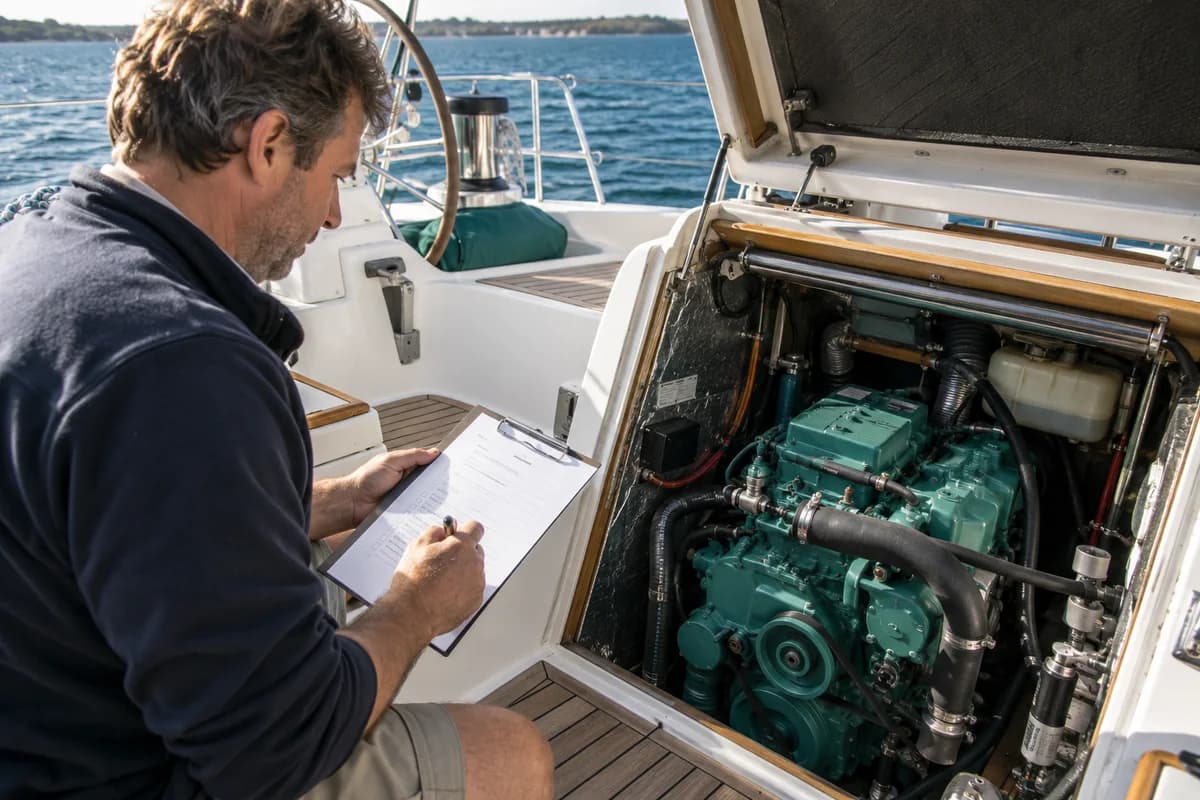
An inspection gives you a clearer starting point for a maintenance plan. Find specialists who can explain the scope of a rig check and document the items that need attention.

Know why you are commissioning the inspection
Rig inspections are requested for different reasons: routine maintenance planning, a concern after an incident, a purchase decision or a requirement from another organisation. Tell the inspector the purpose before agreeing to the work. The required scope and documentation may differ, and not every inspection answers every question. If an insurer or another party has specified information, obtain its requirements and pass them on. Do not assume that a general visual check will satisfy a separate formal requirement. A clear purpose allows the specialist to explain what can be assessed and what remains outside the proposed inspection.
Bring the rig's history into view
Collect previous rigging invoices, mast information, repair records and any photographs that show changes over time. If the age of a component is unknown, say so. An undocumented assumption is less useful than an honest gap in the record. Describe anything you have observed, including when it happens and whether conditions affect it, but leave diagnosis to the specialist. Information about previous groundings, contact or mast work may also be relevant. The inspector should determine what matters to the assessment. Your role is to provide the clearest available history of the actual boat and its installed equipment.
Understand access and limitations
Ask which parts of the rig will be examined and how they will be accessed. An inspection with the mast stepped may have different limits from one undertaken with the mast ashore. Components can also conceal surfaces that are not visible without disassembly. Have the inspector explain these limits in plain language and record them in the report. Avoid treating the word inspected as an unlimited guarantee of future condition. The value lies in a defined assessment, the evidence gathered and the recommendations that follow. If additional access is needed to answer your question, discuss the implications before the visit is booked.
Ask for a report you can act on
A useful report should identify the vessel, the inspection date, the scope and the findings clearly. Photographs and component descriptions make it easier to discuss recommendations with a rigger or another specialist. Ask how concerns will be prioritised and how uncertainty will be expressed. If a recommendation is unclear, request an explanation before planning the work. Distinguish observations from confirmed defects and from areas that could not be assessed. This helps you commission the appropriate next step rather than translating every note into an unnecessary replacement or overlooking an issue because the wording was too technical to understand.
Turn the findings into a maintenance record
Keep the report alongside the rig's existing history and record any work completed in response. If a component is replaced, retain the specification and date so the next inspection begins with better information. Ask the specialist what follow-up is appropriate for your circumstances, rather than applying a generic interval found online. Revisit the plan if the boat's use changes or an incident occurs. Manufacturer resources such as Seldén's technical publications can help explain terms and arrangements, but an owner's reading cannot reproduce access to the rig or replace the professional assessment commissioned for the specific vessel.
Make the first enquiry count.
You need to understand the rig before a change in sailing plans. Gather previous reports and known replacement records, then ask the inspector what the proposed method can establish. If another party needs a report, clarify its requirements before commissioning the work.
What a useful quote should settle
Compare inspection method, access, exclusions, photographs, written findings and the way recommended work will be prioritised.
How to compare marine service quotes →Which conversation do you need?
Start with the situation that describes your job. These are different enquiry briefs, so ask the provider to confirm the scope that fits yours.
Purchase-related assessment
Findings will support a decision about a vessel.
What is included, excluded and reported?
Use has changed
You are considering different sailing plans.
What information about the intended use should shape the brief?
Incomplete records
Replacement history cannot be established.
How will those gaps be handled in the assessment?
Three steps to a clearer decision.
What is included, excluded and reported?
What information about the intended use should shape the brief?
How will those gaps be handled in the assessment?
Before you make the next move.
Does a visual check cover every part of the rig?
No single label tells you the scope. Ask which areas can be assessed, which cannot and what further investigation might be appropriate. Keep those limits with the report rather than summarising it as a universal clearance.
How should I handle unknown replacement dates?
Mark them as unknown. Provide supporting records where available and let the rigger explain how uncertainty affects the assessment. A guessed date can mislead the next decision more than a clearly recorded gap.
Rig inspection: enquiry checklist
Use this to prepare your first enquiry. Print a copy to keep with your notes.
0 of 5 ready · Checks reset when you leave this page.
Use the guidance relevant to your equipment, location and intended use.
Seldén: rig assembly and operating manuals ↗