Before you dive in.
A tired seam or damaged panel does not always mean starting again. Explore sail-repair services for an assessment of what can be repaired and how the work fits your plans.
- Does the sail need a whole-sail assessment before a repair decision?
- What result can this repair reasonably achieve?
- Would other deterioration change the recommendation?
A tired seam or damaged panel does not always mean starting again. Explore sail-repair services for an assessment of what can be repaired and how the work fits your plans.
Describe the damage and the whole sail
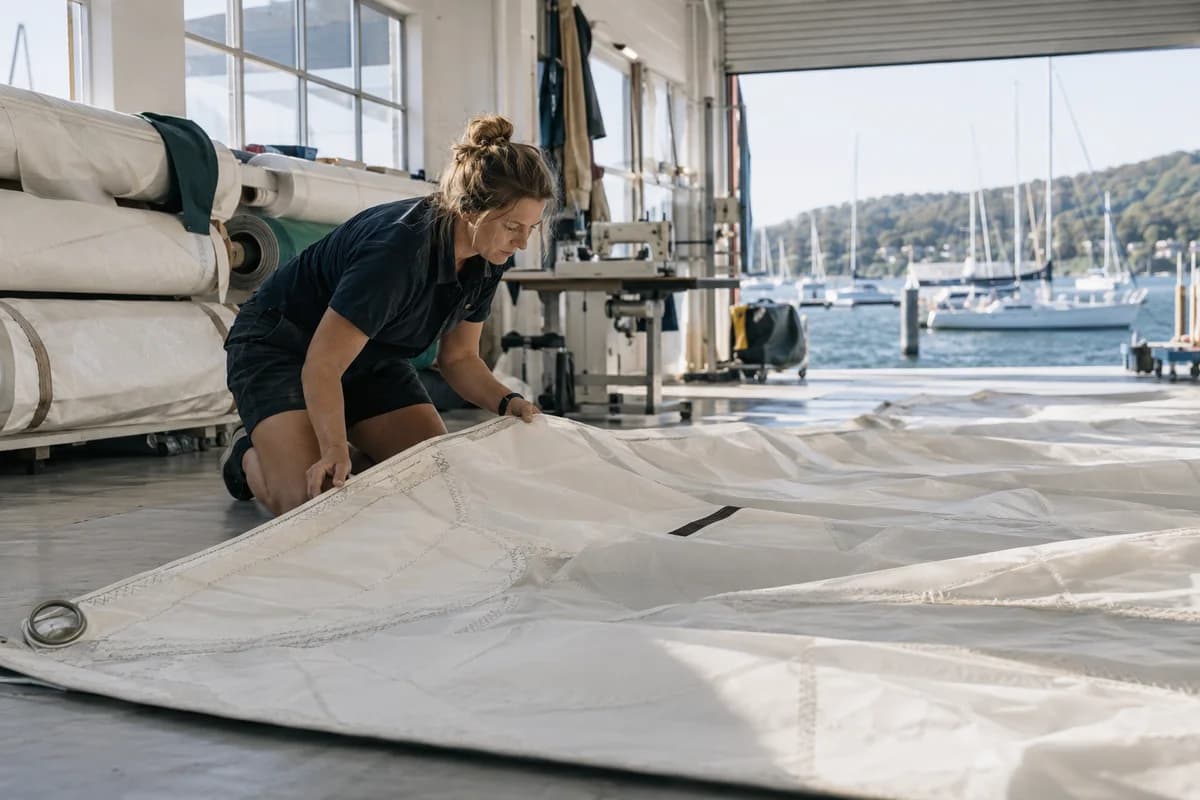
A torn panel is easier to understand when the loft can see where it sits in the sail. Send photographs of the damage, surrounding cloth and the complete sail, together with any details you know about its age and construction. Explain how the damage occurred and whether the sail has been repaired before. A repairer needs to assess more than the visible hole: nearby cloth, seams and attachments may influence what is practical. Do not assume that a small damaged area means a small repair, or that a large-looking tear automatically makes the sail beyond useful attention.
Separate repair from performance expectations
A sail can be repaired yet still have limitations associated with its age, condition or shape. Ask the loft to explain what the proposed work is intended to achieve. Is it restoring a seam, replacing a damaged section, renewing protective material or addressing a fitting? If your main concern is how the boat sails, say so explicitly. A structural repair and a shape-related alteration are different conversations. The most useful advice may include the option to replace the sail later, but a repair assessment should help you understand the present choices without promising that old cloth will behave like new cloth.
Arrange a proper assessment
Photographs are useful for the first discussion, but the loft may need the sail laid out before giving a firm scope. Ask how it should be delivered, whether any fittings need to remain attached and how the business wants the sail identified. Follow its handling instructions, especially for unfamiliar materials. If the sail has been wet or stored in poor conditions, mention that before delivery. Provide your contact details and the date you hope to use it. A clearly labelled sail and an agreed assessment process help prevent confusion when a busy loft is handling several similar jobs at once.
Compare the repair scope and timing
Request a description of the work, the materials involved and any limitations the loft has identified. Ask whether associated wear will be checked or whether the quote covers only the damage you pointed out. Establish how further work will be approved if the inspection reveals another issue. Timing matters around seasonal demand and sailing events, so discuss a realistic collection date before committing. If the sail is needed for a particular trip, explain that early and allow time to refit it. The cheapest repair is not necessarily useful if its scope is unclear or the delivery date does not fit your plans.
Address the cause before sailing again
A repaired sail may be damaged again if the underlying cause remains aboard. Ask the loft whether chafe, fittings, handling or storage appears relevant to the problem, and have the appropriate specialist assess any boat-related concern. At collection, review the completed work and ask about ongoing care. Keep the repair details with the sail's history so a future assessment has context. Manufacturer and loft guidance, including North Sails' care resources, emphasises inspection as part of looking after sails. Use advice suited to your own sail, then make the first hoist an opportunity to check the arrangement calmly.
Make the first enquiry count.
A local tear and an ageing sail are different repair conversations. Give the loft the known history and ask it to assess the surrounding material as well as the visible damage. Request an explanation of what a repair would fix and what limitations would remain afterwards.
What a useful quote should settle
Compare inspection, repair method, affected fittings, collection or delivery and any further work that needs separate approval.
How to compare marine service quotes →Which conversation do you need?
Start with the situation that describes what you need. These are different enquiry briefs, so ask the provider to confirm the scope that fits yours.
Defined local damage
A particular area needs professional attention.
What condition questions remain outside that repair?
Broader deterioration
Several concerns affect the sail.
Can the loft explain the whole-sail options after inspection?
Handling complaint
The sail is difficult for the regular crew to use.
Is repair, alteration, setup advice or a new brief the right conversation?
Put the service in its sailing context.
Compare the regional factors and connected services that can shape this decision. These selected passages are read from YouSail’s published guides, alongside our enquiry advice above. Open the places and topics relevant to your boat; confirm current arrangements with the provider.
Sailmakers and sail repairsMarine Services in Sydney: The Complete Sailor’s Guide
Sydney has a mature sailmaking network because the city has harbour racing, offshore racing, club fleets, cruising boats and Pittwater sailors all demanding different sail solutions.
A cruising sailor does not need the same sail as a harbour racer. A family boat may need durable cloth, easy reefing and a UV cover that survives Sydney sun. A race boat may need shape, weight control and careful class or handicap thinking. A coastal cruiser may need a main that reefs cleanly, a headsail that works partly furled and a storm-sail plan that makes sense offshore.
Doyle Sails Sydney says its Gladesville loft has an in-house design team, laser cutter and modern machinery for new sails, ongoing service, repairs and covers. JP Sailmakers describes itself as a full-service sailmaker providing new sails, onsite service and repair for performance racers and cruisers. Evolution Sails Sydney says it services Sydney Harbour and Broken Bay fleets from the Northern Beaches and has sail repair bins at major yacht clubs, including CYCA, RSYS, MHYC and RPAYC. North Sails and other major lofts also support the Sydney racing and cruising scene.
The best time to speak to a sailmaker is before the sail fails. A UV strip, leech repair, batten pocket repair, reef-point reinforcement or restitching job can extend useful life. Once the sail tears badly, especially in a summer northeasterly or offshore breeze, the repair becomes more expensive and the sailing day is over.
For YouSail, sailmaking connects naturally to Sailing Clubs, Guides and Boats, because sail choices depend on how the boat is actually used.
Read the complete YouSail guide ↗ · Source updated 24/08/2026
Sailmakers and sail repairsMarine Services in Brisbane: The Complete Sailor’s Guide
Brisbane sail service is shaped by Moreton Bay racing, cruising, multihulls, dinghies, Etchells, keelboats, trailer sailers, coastal cruisers and offshore programs. A sailor choosing sails in Brisbane must think about actual use: Moreton Bay twilights, weekend cruising, reefing in afternoon wind, racing, multihull performance, coastal work, Queensland sun and UV exposure.
North Sails lists a Brisbane sail loft, and its Brisbane announcement says the local loft began as Bradford Prentice in 1993, became a local North Sails agent in 2001, and later joined the North Sails group as a fully serviced Brisbane loft. LR Sails is based in Deception Bay and says it services Scarborough, Newport, Redcliffe, Rivergate, Manly, Brisbane, Gold Coast, Raby Bay, Mooloolaba, Noosa, Tin Can Bay and Hervey Bay, covering yacht, multihull, off-the-beach dinghy and catamaran sails. OneSails Brisbane says its loft can produce sails from one-design to maxi-yachts and support sails of any size.
For Brisbane sailors, sail repair timing is critical. UV strips, leech stitching, batten pockets, luff tape, reef patches, slides, headboard webbing, clew rings and old repairs should be checked before summer and before any coastal passage. Queensland sun attacks stitching and covers. A headsail can look acceptable on a furler until the first proper breeze opens the weak seam.
Sailmakers are not only for new sails. They are service providers for performance, safety and resale. If a boat is being bought in Manly, Scarborough, Redland Bay or Rivergate, the sail inventory should be assessed as part of the purchase, especially if offshore use is planned.
Read the complete YouSail guide ↗ · Source updated 24/08/2026
Sailmakers and sail repairsMarine Services in Melbourne: The Complete Sailor’s Guide
Melbourne has a strong sailmaking culture because Port Phillip supports keelboat racing, dinghy sailing, one-design fleets, club racing, cruising, classic boats and offshore preparation. A sail that works for twilight racing out of St Kilda is not necessarily the right sail for coastal work through Port Phillip Heads or Bass Strait. A cruising yacht needs durability, reefing, UV protection and reliable handling, while a race boat may prioritise shape, cloth choice and rating impact.
Doyle Sails Victoria is based in Port Melbourne, and its loft page connects the Melbourne loft with Port Phillip Bay racing and cruising. North Sails lists a Melbourne sail loft and describes North Sails as a sailmaker for racing and cruising sailboats. Yellow Pages search results for Port Melbourne also show Doyle Sailmakers and Quantum Sails Melbourne among marine sailmaker listings, which reflects the concentration of sail service around the city and bay.
For sailors, the important point is timing. Send sails to the loft before the season, not after the first tear. A tired UV strip, failing leech stitching, weak batten pocket, worn luff tape or rough reefing patch can be fixed before it becomes a lost race, a ruined holiday or a bad day outside The Heads.
A Melbourne sail inspection should look at stitching, UV exposure, leech flutter, reef points, batten pockets, slides, cars, headboard, tack, clew, luff tape, furling shape, previous repairs and whether the sail still fits the way the boat is actually used.
Read the complete YouSail guide ↗ · Source updated 24/08/2026
Sail repairs and sailmakingMarine Services in Cairns: The Complete Sailor’s Guide
Sail service in Cairns is a practical cruising issue. The local fleet includes reef-tourism vessels, local sailors, visiting yachts, multihulls, dinghies and passage-making boats. The job may be as small as restitching a UV strip or as important as repairing a mainsail before a northbound passage.
Port Douglas Sailmakers says it has operated for more than 20 years, manufactures yacht sails and covers, and offers repair services for vessels from maxi charter boats to sabot dinghies. It also references Cairns and regional sailing activity in its repair and service content. Nautical Supplies is also relevant because its Cairns presence and sailing categories include sail-loft, swaging, ropes, hardware and marine-supply support.
A Cairns sail inspection should focus on UV and stitching. Tropical sun destroys thread, covers and sacrificial strips. A sail can look acceptable in the bag but fail when pressed in 20 knots. A cruising yacht preparing for the reef or northbound sailing should check reef points, batten pockets, leech lines, luff tape, UV strips, headboard, clew, tack, slides, cars and any previous repairs.
Sails in Cairns also need to be thought of with reef protection and weather windows. A torn headsail outside the reef or during a strong southeasterly trade pattern is not just inconvenient. It can affect the skipper’s ability to keep away from reef edges, channels, shipping traffic and lee shores.
Read the complete YouSail guide ↗ · Source updated 24/08/2026
Sailmakers, sail repairs and coversMarine Services on the Gold Coast: The Complete Sailor’s Guide
Gold Coast sails live in harsh conditions: strong UV, humidity, summer storms, salt, furling, charter-style use, long marina stays, coastal passages and racing loads.
Sail Inc is based at GCCM and provides sailmaking, sail repairs and rigging support, with more than 30 years of sailing and sailmaking experience. GC Sails says it offers expert sail and cover repairs from a full-service Gold Coast loft and is positioned between Gold Coast City Marina / The Boat Works to the north and Southport Yacht Club to the south. Evolution Sails says it provides a full manufacture and service loft for the East Coast of Queensland and is centrally located between Boat Works / GCCM and Southport Yacht Club.
For a sailor, sail service is not a luxury. A headsail UV strip, leech stitching, batten pocket, luff tape, reef patch, clew webbing or lazy bag can fail quickly in Queensland sun and summer breeze. A Gold Coast sail check should include UV strip, leech and foot stitching, batten pockets, reef patches, luff tape, slides, cars, headboard, tack, clew, furling shape, mainsail cover, boom bag, dodger, bimini and previous repairs.
For boats preparing to leave the Gold Coast, fix sail issues before departure. A torn headsail at the Broadwater is annoying. A torn headsail crossing a coastal bar or working north toward Moreton Bay is a different problem.
Read the complete YouSail guide ↗ · Source updated 24/08/2026
Sailmakers and sail repairsMarine Services in Perth: The Complete Sailor’s Guide
Perth has strong sailmaking because the city supports river racing, offshore racing, dinghies, keelboats, multihulls, cruising boats and Rottnest sailing.
UK Sailmakers Fremantle describes itself as Western Australia’s only truly international sail loft and says it offers quick repair service, racing and cruising sails, multihull and dinghy sails, sail repairs, recuts, furling systems, sail hardware, dodgers, biminis, shade and canvas products. OneSails Perth says it is located within 20 minutes of Swan River clubs and 10 minutes from Fremantle, offering repair services and design consultation for sailing boats from dinghies through to superyachts. K1 Marine Trimming in Fremantle says it services Perth yacht clubs and marinas and has a qualified sailmaker on the team.
For Perth sailors, sail care should be planned before summer. The sea breeze is part of the joy of sailing here, but it exposes poor stitching, tired UV strips, flogging damage, weak batten pockets and poor reefing setups quickly. A headsail that looks fine furled at the pen can open up badly on the first strong day. A mainsail with tired reef patches can fail when the crew most needs the reef.
A proper sail check should include leech stitching, UV strip, luff tape, slides, cars, batten pockets, reef patches, headboard, clew, tack, previous repairs, furling shape, boom cover and lazy bag.
Read the complete YouSail guide ↗ · Source updated 27/08/2026
Sailmakers, sail repairs and marine trimmingMarine Services in the Whitsundays: The Complete Sailor’s Guide
The Whitsundays are hard on sails. UV, humidity, charter use, reefing, flapping, furler wear, salt, tropical rain and long periods furled can destroy stitching and sacrificial covers before the sail looks obviously dead.
Ullman Sails Whitsunday is based in Cannonvale and describes itself as a full-service loft offering new sails, sail services and marine trimming, including custom boombags, biminis, dodgers, boat covers, tramps, awnings and upholstery. Airlie Sail and Shade Solutions says it operates a sailmaking and marine-trimming business called Ullman Sails Whitsunday, formerly Airlie Sails. Whitsunday Sailing Club sponsor information also notes Ullman Sails Whitsunday as offering tailored sail services including design, repair, hardware upgrades, furling-system installation and marine trimming.
A Whitsundays sail check should include UV strip, leech stitching, batten pockets, reef patches, luff tape, slides, cars, headboard, tack, clew, furling shape, lazy bag, boom cover, dodger, bimini and stitching on all covers. For a cruising yacht, the question is not only whether the sail still works today. The question is whether it will survive reefing, a squall, a trade-wind passage or a week of charter-style use.
The Whitsundays are also a place where sail covers matter. A tired UV strip or boom cover can shorten sail life quickly. Marine trimming is therefore part of the sail-maintenance system, not just comfort.
Read the complete YouSail guide ↗ · Source updated 24/08/2026
Sailmakers, sail repairs and marine coversMarine Services in Hobart: The Complete Sailor’s Guide
Hobart has a strong sail-service culture because it supports Derwent racing, cruising yachts, classic boats, Sydney Hobart finishers, offshore programs and Channel cruising.
Doyle Sails Tasmania says its full manufacturing loft is located at Muirs Boatyard and provides sailmaking, marine covers, rigging, shade sails and chandlery. 42 South Marine says it is a Hobart-based team of specialist marine trimmers and sailmakers, and as Tasmanian agents for North Sails it is set up for sail repairs. Southeastern Sails says it inspects and repairs yacht sails, kites, windsurfer sails and blowcart sails, and can make sails for beginners, Sydney Hobart racers and weekend cruisers.
For Hobart sailors, sail maintenance is not cosmetic. Reef points, stitching, batten pockets, luff tape, slides, headboard, clew, tack, leech line, UV covers and boom covers all matter in cold, gusty and sometimes offshore conditions. A sail that survives a gentle summer afternoon may fail in a squall on the Derwent, in Storm Bay, or during a Channel passage.
For Sydney Hobart boats, sail repair capacity is also part of the race-finish ecosystem. Hobart’s waterfront lofts and yacht clubs are positioned near the finish and race support area, which makes the city a natural repair and post-race service stop.
Read the complete YouSail guide ↗ · Source updated 24/08/2026
Sail repairs, rigging and rope workMarine Services in Bundaberg: The Complete Sailor’s Guide
Bundaberg is not a giant sailmaking city, but it has practical support for rigging and sail-related service through the marina, chandlery, mobile trades and regional networks.
Bundaberg Port Marina’s hardstand and trades page lists swaging, balustrading, rigging and rope splicing as onsite services, with contact details through the marina trade page. Captain’s Chandlery is also positioned directly at the marina, which matters because rope, fittings, sealants and emergency sail-repair supplies are often needed immediately.
For more sail-specific work, cruising sailors should allow time. A torn headsail, failed UV strip, broken batten pocket or damaged reef patch may need local assessment and possibly regional coordination. The practical Bundaberg approach is to inspect sails before heading to Lady Musgrave, 1770, Gladstone or the Great Sandy routes.
A Bundaberg sail and rigging check should include:
Standing rigging age, terminals, swages, turnbuckles, lifelines, chainplates, mast wiring, furlers, halyards, reefing lines, mainsail slides, batten pockets, UV strip, leech stitching, luff tape, headboard, clew, tack, lazy bag, boom cover, dodger, bimini and all previous repairs.
If the yacht is arriving from offshore, the rig may have seen heavy load. If it is leaving for the reef, the sails and reefing system need to work before departure.
Read the complete YouSail guide ↗ · Source updated 24/08/2026
Three steps to a clearer decision.
What condition questions remain outside that repair?
Can the loft explain the whole-sail options after inspection?
Is repair, alteration, setup advice or a new brief the right conversation?
Arrive with the right information.
Photograph the damaged area and enough surrounding sail to show its position. Explain when you noticed it, the sail’s known age and use, and whether it has been repaired before. Ask the loft how it wants the sail presented for assessment.
Three questions worth asking
- Does the sail need a whole-sail assessment before a repair decision?
- What result can this repair reasonably achieve?
- Would other deterioration change the recommendation?
What to keep afterwards
Keep the repair description and the loft’s advice about remaining condition. A repaired patch does not establish the condition of the rest of the sail; ask what to watch for next.
Plan a useful handover →Before you make the next move.
Open a question for practical advice to help with your next decision.
Can every damaged sail be repaired economically?
The answer depends on condition, intended use and the proposed work. Ask the loft to compare the repair outcome with other options. A small visible defect does not necessarily describe the condition of the whole sail.
Should I clean the sail before sending it?
Ask the loft for its preferred preparation and delivery instructions. Explain any contamination or previous treatment. Avoid trying an unfamiliar cleaning process simply to make the sail look better before assessment.
Sail repair: enquiry checklist
Use this to prepare your first enquiry. Print a copy to keep with your notes.
0 of 5 ready · Checks reset when you leave this page.
Use the guidance relevant to your equipment, location and intended use.
North Sails: sail care and repair ↗