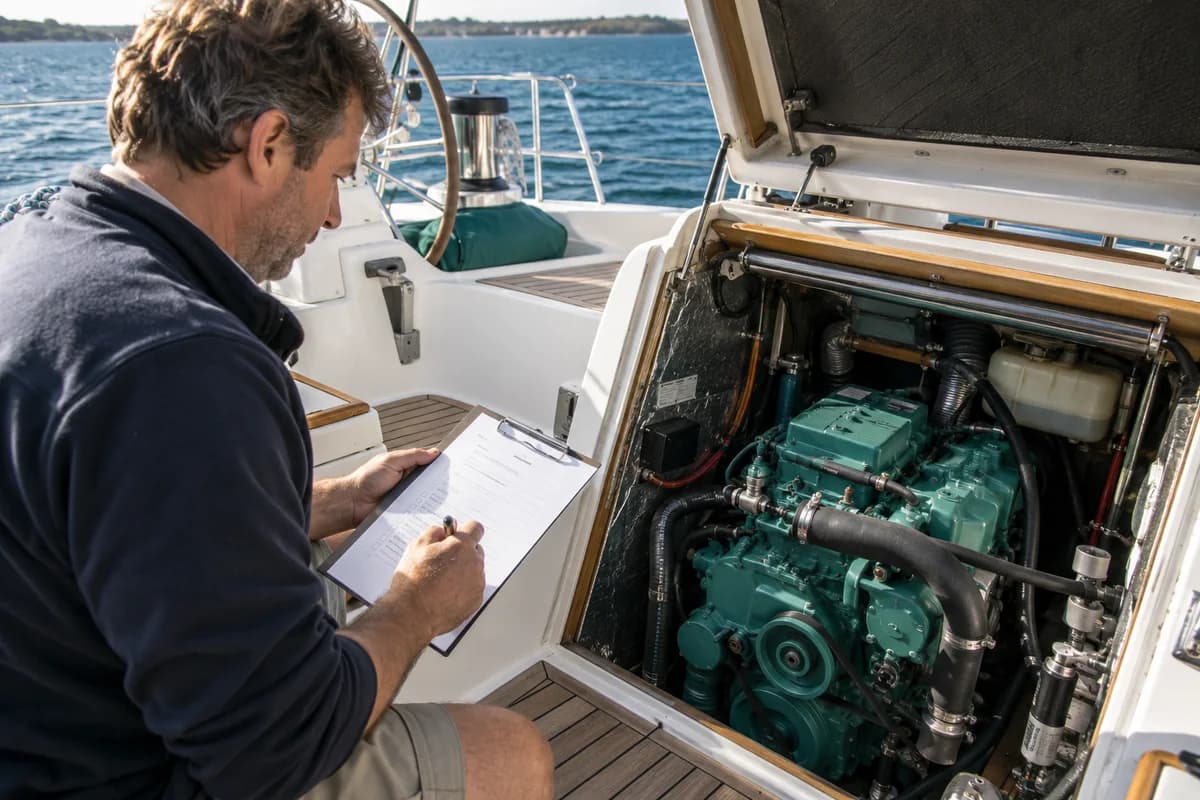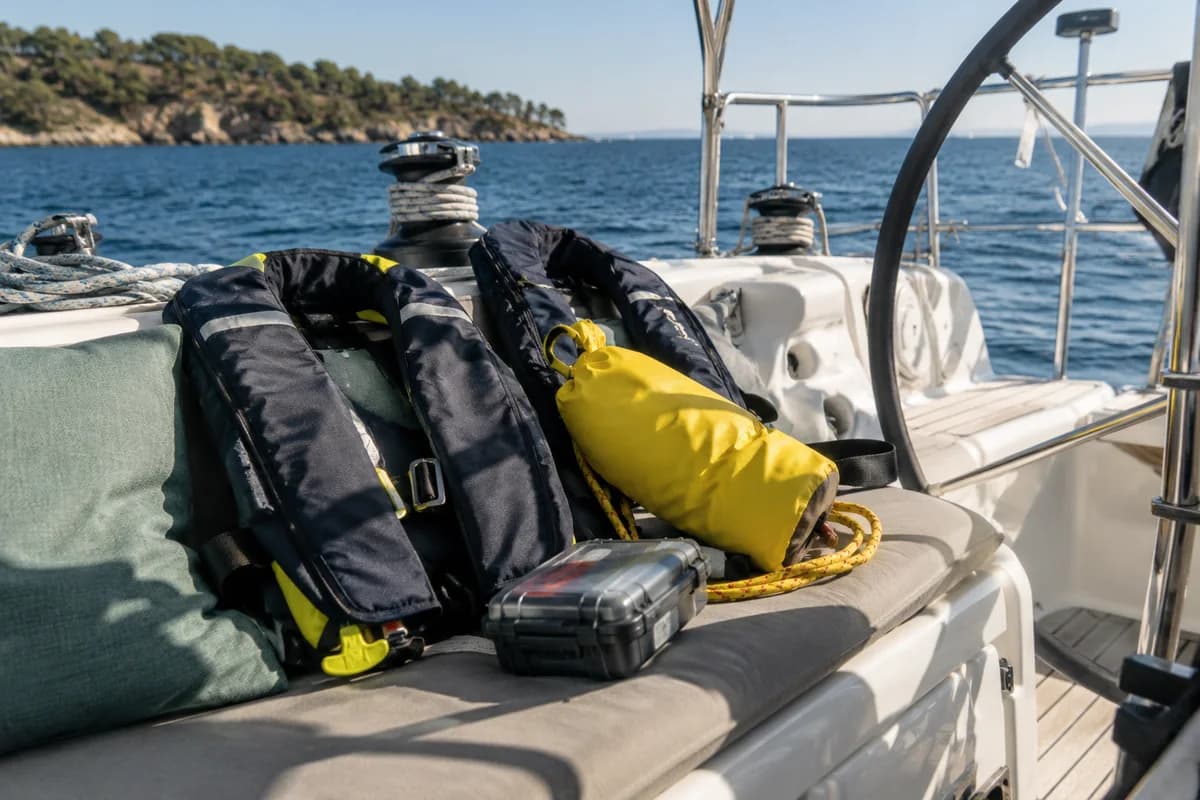
Safety gear deserves its own place on the preparation list. Find suppliers of lifejackets, signalling equipment and onboard essentials, plus businesses that can explain their servicing options.

Begin with your actual sailing plans
Safety equipment shopping starts with the boat, the people aboard and the waters you intend to use. A sheltered dinghy outing and an extended yacht passage are different situations, so a generic shopping list is not enough. Describe the vessel, usual crew and planned area to the supplier. Check the current requirements with the relevant state or territory boating authority, and use the manufacturer's instructions for the particular products you choose. A retailer can explain its range, but a product display or a category listing should never be treated as confirmation that your whole boat meets every requirement.
Make personal equipment genuinely personal
Lifejackets and other wearable equipment need to suit the people who will use them. Comfort matters because uncomfortable gear tends to be left in a locker. Ask about fit, adjustment and the activities the product is intended for, and include everyone who regularly sails with you in the discussion. Children and adults may need different products and fitting arrangements. If you choose inflatable equipment, ask the supplier to explain the operating system and the applicable servicing instructions. Keep the product documentation accessible aboard or in your maintenance records, rather than relying on what you remember from the purchase.
Plan storage and access aboard
Equipment has to be reachable when it is needed. Before buying a bulky item, work out where it will live and how a crew member would get to it while the boat is in use. Think about clear labelling, protection from unnecessary exposure and a consistent storage location. Discuss mounting or stowage options with the supplier if you are unsure. This is also a good time to remove confusion: an old item awaiting disposal should not sit beside an operational one without clear identification. A tidy arrangement supports a useful crew briefing and makes routine checks easier to complete.
Compare servicing as well as supply
Some purchases create ongoing inspection, replacement or servicing tasks. Ask what the manufacturer requires, who can undertake the work and how the process fits your location. A convenient purchase can become awkward if servicing requires a long shipment just before your sailing season. Check dates and included components at collection, and record the information immediately. For distress beacons and radio-related equipment, consult the relevant Australian authority for registration or identification requirements. These details should be checked against current official guidance, rather than assumed from another owner's experience or an older equipment list found aboard.
Turn a purchase into a preparation routine
Set aside time to read the instructions and explain the equipment to the people who sail with you. Ask the supplier whether a demonstration or suitable training resource is available for unfamiliar products. Keep a dated inventory with model details, servicing information and any replacement dates identified by the manufacturer. Review it when your sailing plans change, not only when an item expires. Before departure, use a boat-specific preparation checklist and confirm that the equipment is present and accessible. Buying carefully is only one part of readiness; familiarity and regular attention make the equipment more useful to the crew.
Make the first enquiry count.
You are adding a new crew member and reviewing onboard equipment. Describe the person, the intended activity and the waters involved when asking a supplier for help. Keep the current official requirements for your location beside the shopping list so product selection does not replace checking what applies.
What a useful quote should settle
Clarify suitable sizes and models, manufacturer instructions, servicing arrangements, included accessories and how you will keep the records accessible to the crew.
How to compare marine service quotes →Which conversation do you need?
Start with the situation that describes your job. These are different enquiry briefs, so ask the provider to confirm the scope that fits yours.
New crew requirement
People or participation needs have changed.
Which sizing and use questions must be resolved?
Equipment review
You need to organise current records and service information.
What does each manufacturer require for the installed item?
Changed sailing plans
The intended waters or activity are different.
Which current official requirements should I check before ordering?
Three steps to a clearer decision.
Which sizing and use questions must be resolved?
What does each manufacturer require for the installed item?
Which current official requirements should I check before ordering?
Before you make the next move.
Can one equipment list cover every trip?
Do not assume so. Your location, vessel and activity can affect what is required. Check the current official guidance for the intended use and ask the supplier to explain the specifications of the products being considered.
What should I ask about servicing?
Ask which items need servicing or replacement checks, who performs that work and where the manufacturer’s instructions are supplied. Record the information with the equipment rather than relying on a date remembered from the purchase conversation.
Safety equipment: enquiry checklist
Use this to prepare your first enquiry. Print a copy to keep with your notes.
0 of 5 ready · Checks reset when you leave this page.
Use the guidance relevant to your equipment, location and intended use.
NSW Government: lifejackets and safety equipment (NSW requirements) ↗