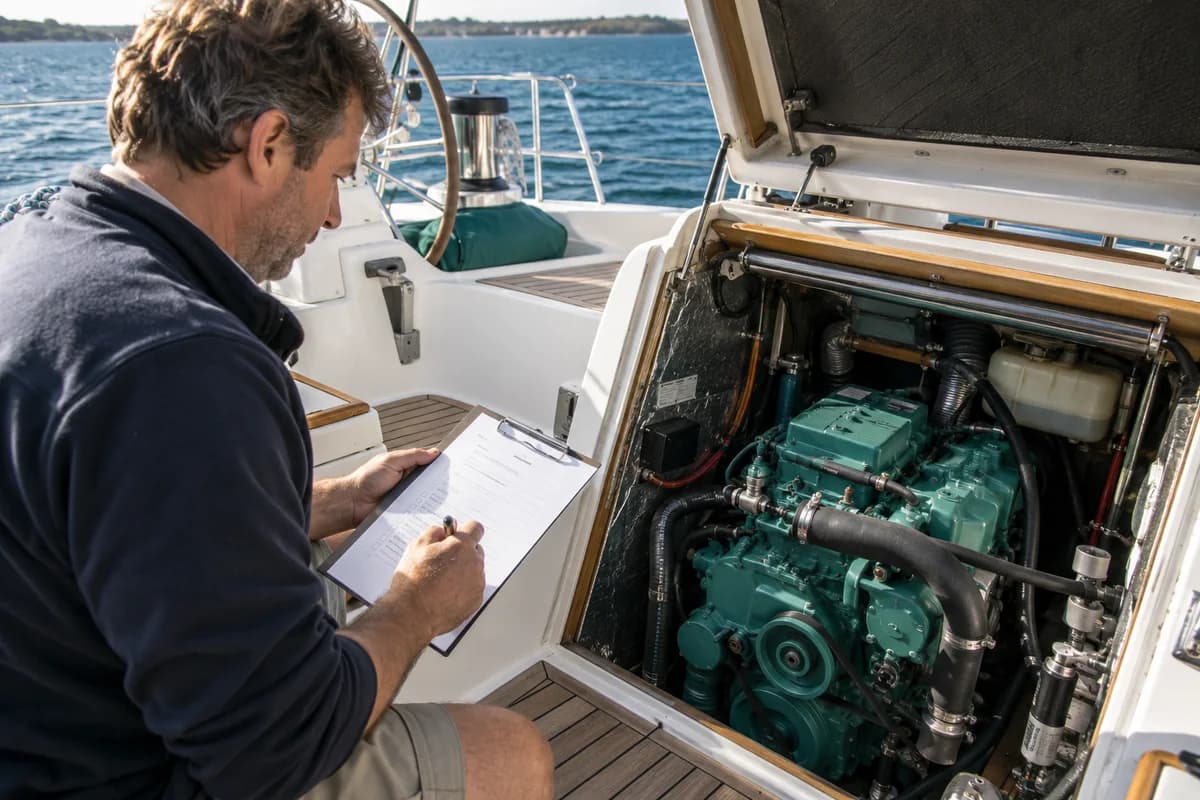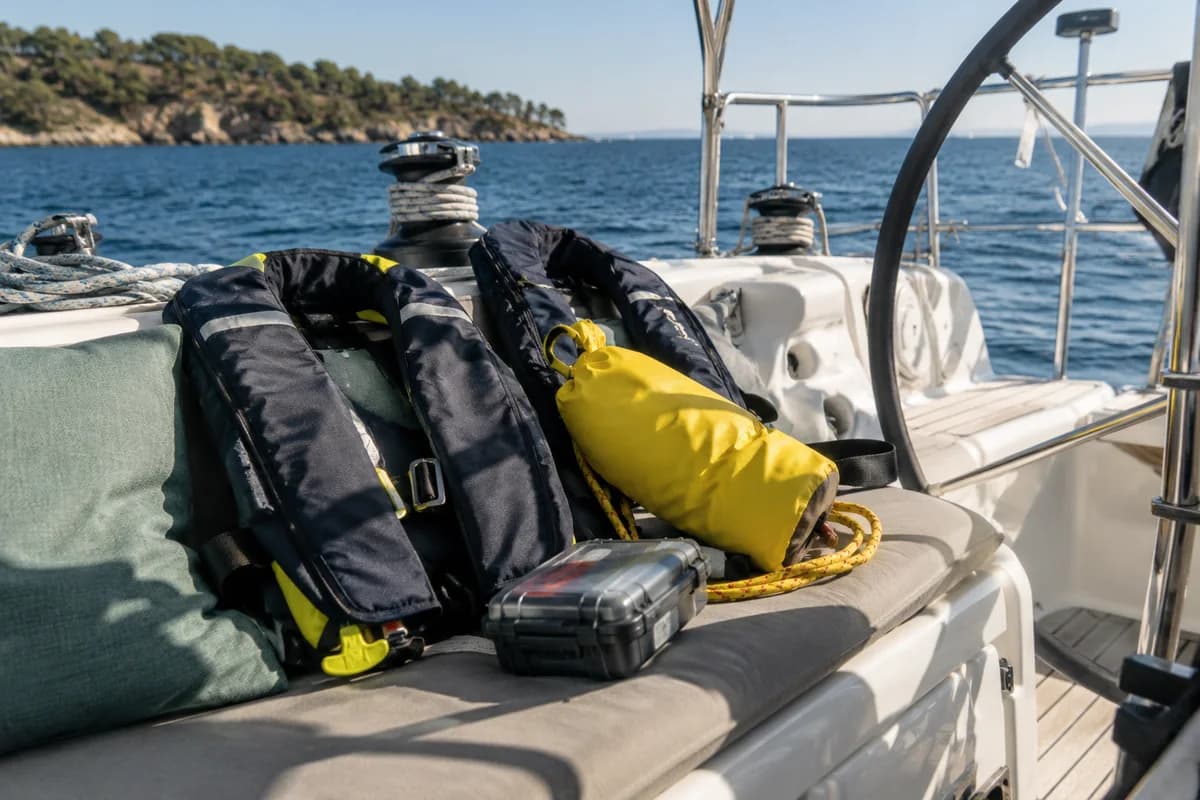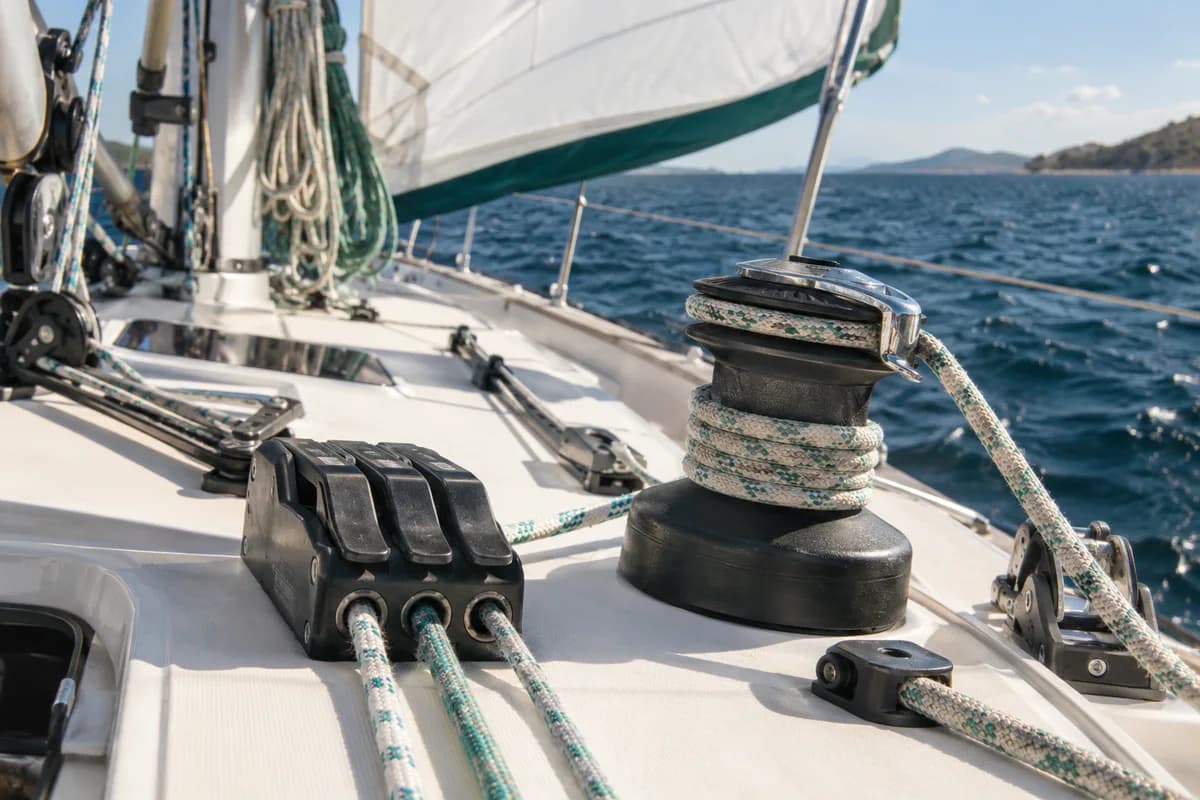
Blocks, clutches, tracks and fastenings earn their place every time you sail. Explore hardware suppliers with the components for a replacement, a repair or a better-running deck layout.

Understand the complete load path
Deck hardware works as part of a connected arrangement. A block leads a line to a clutch, a winch takes the effort, and the deck beneath each fitting supports the installation. When something wears out, it is worth asking whether the problem lies in the individual component or the way it is being used. Photograph the route of the line and note where it rubs, twists or becomes awkward to handle. A hardware supplier or rigger can then discuss the application as a whole. Avoid selecting load-bearing equipment solely because it resembles the part already fitted.
Measure the details that matter
Record the rope diameter, available mounting area, fastener spacing and the clearance around moving parts. For a replacement block, the attachment method matters as much as its overall size. For a clutch, the line material and the manufacturer's stated rope range should be part of the conversation. Take photographs with a ruler in the frame where possible, but do not treat a rough photograph as a final installation drawing. Ask the supplier which measurements it needs before you order. Boats of the same model can have different deck layouts, especially after years of owner modifications and upgrades.
Distinguish an upgrade from a replacement
Replacing a tired fitting like for like is a different project from changing the way the boat is sailed. Leading controls aft, adding purchase or moving a winch can improve handling, but these changes need a considered layout. Explain who normally sails the boat, whether you reef from the cockpit and what feels difficult in practice. A supplier with sailing experience can help narrow the options; the person responsible for installation should confirm that the proposed arrangement suits the structure. Agree on the intended result before buying a collection of parts that may not work together.
Compare the installed solution
A hardware quotation may cover only the item on the shelf. The completed job could also involve backing arrangements, fasteners, sealing, access below deck and replacement line. Ask the installer to identify these requirements before finalising the order. If old holes or previous repairs are involved, allow for an inspection rather than assuming that the new fitting can simply be bolted into place. Compare written scopes on the same basis. A lower component price does not tell you much when the installation assumptions are different, and an incomplete quote can make a straightforward upgrade unexpectedly disruptive.
Look after the equipment you choose
Request the manufacturer's care instructions and keep a record of the exact model installed. Hardware that is easy to inspect, service and source parts for may suit an everyday cruising boat better than a highly specialised alternative. Ask about replacement bearings, service kits or spare components where relevant. During handover, have the installer explain normal operation and any limits on the arrangement. Try the controls in an appropriate setting before depending on them during a demanding passage. Your aim is a deck layout that remains understandable to the whole crew, not merely a set of newer fittings.
Make the first enquiry count.
A worn clutch needs attention, but replacing it may involve more than matching the rope size. Document the existing installation and ask the supplier or installer which dimensions and application details determine suitability. Include access below the deck in the brief rather than discovering a fitting problem after purchase.
What a useful quote should settle
Request the proposed model, compatibility checks, any mounting changes, installation responsibilities and what is included in the final check.
How to compare marine service quotes →Which conversation do you need?
Start with the situation that describes your job. These are different enquiry briefs, so ask the provider to confirm the scope that fits yours.
Like-for-like enquiry
The existing arrangement works but a component needs attention.
What establishes the precise replacement specification?
Layout improvement
The crew finds the current arrangement awkward.
Should an installer assess the whole working area first?
System change
Several fittings interact in the proposed arrangement.
Which dependencies and supporting work belong in the quote?
Three steps to a clearer decision.
What establishes the precise replacement specification?
Should an installer assess the whole working area first?
Which dependencies and supporting work belong in the quote?
Before you make the next move.
Can I reuse the existing mounting holes?
Ask the installer to assess the actual arrangement. A similar footprint does not establish that the fastening and supporting structure are suitable. Provide dimensions and photographs, but leave the installation decision to the appropriate professional.
Should all deck hardware match one brand?
Start with function and compatibility rather than appearance. Ask how the proposed component works with the rest of the arrangement and what information supports that choice. Brand consistency alone does not answer those questions.
Marine hardware: enquiry checklist
Use this to prepare your first enquiry. Print a copy to keep with your notes.
0 of 5 ready · Checks reset when you leave this page.