A well-cut cover, a fresh cushion or a line that feels right in the hand can change everyday life aboard. Discover specialists in marine rope, canvas, covers and upholstery.

Define the problem you want to solve
Rope, canvas and upholstery projects often begin with a small irritation: a line that is unpleasant to handle, a cover that collects water or a cockpit cushion that never dries properly. Describe that problem before choosing a material or colour. The right solution depends on how the boat is used, where it is kept and who handles the equipment. A weekend racer, a family cruiser and a boat living on an exposed mooring will have different priorities. Photographs of the current arrangement help a supplier understand what works already and what you want the replacement to improve.
Treat rope as part of the sailing system
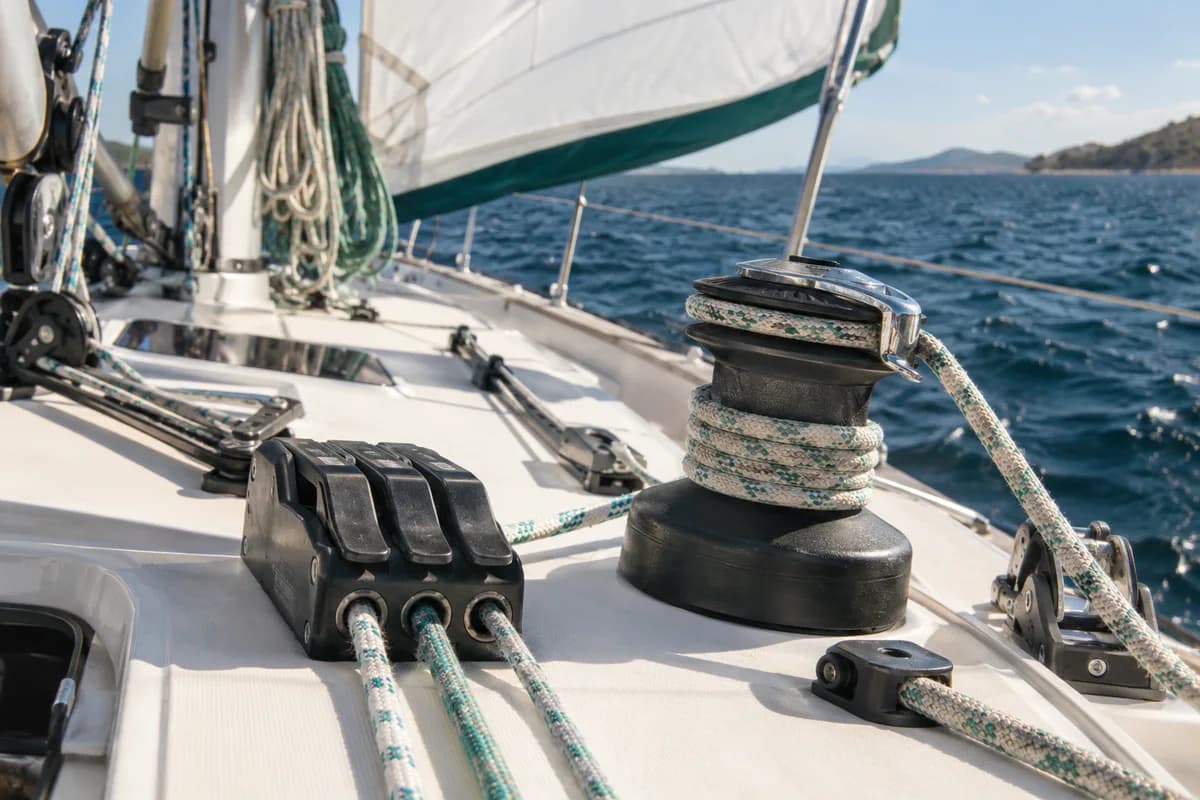
A halyard, a sheet and a mooring line do different jobs. Give the supplier the intended use, existing diameter and the equipment the line runs through. Handling, stretch, compatibility and finishing options all belong in the discussion. If you are changing material or diameter, ask whether the existing clutches, winches and blocks remain suitable. Do not assume that an expensive line is automatically the right choice for every control. Agree on finished length, splices and any special termination before ordering, and identify the old line clearly so its purpose is not confused with another line on the boat.
Make custom covers work in practice
A cover should fit the boat and your routine. Explain how often you remove it, whether one person normally does the job and where it is stored while sailing. For a dodger or cockpit enclosure, discuss visibility, access, handholds and the way panels will be opened or packed away. Ask who takes the final measurements and whether the maker will visit the vessel. A copied old cover can reproduce old problems, so point out anything that never fitted well. Arrange the measuring visit when the relevant fittings and supporting structures are in their normal positions.
Choose comfort with maintenance in mind
Marine upholstery needs to suit both its setting and the way you look after it. Cabin cushions, exposed cockpit seating and occasional deck pads experience different conditions. Bring the maker into the choice of foam, fabric, closures and removable covers rather than selecting appearance alone. Ask how the finished item should be cleaned, dried and stored. If cushions are used for sleeping as well as sitting, say so early. Obtain a written description of the materials and construction included in the quote, and check whether templating, installation and later adjustments are part of the agreed work.
Schedule the fitting and keep the pattern
Custom work usually involves more than one conversation. Allow time for measuring, material selection, production and a final fitting, especially if the boat is away from the maker's usual area. Ask how changes will be approved if a practical problem appears during the fitting. At handover, try the zips, fasteners and access panels yourself and check that sailing controls remain usable. Keep the material details and the maker's instructions with your boat records. If the business retains patterns, ask what that means for future replacements; if not, record enough detail to make the next job easier.
Make the first enquiry count.
A cockpit cover looks simple until access, attachment points and the way it is removed are discussed. Show the maker how you normally use the space and what frustrates you about the existing cover. Agree who takes measurements and how the finished item will be checked on the boat.
What a useful quote should settle
Compare material choice, patterning, attachment hardware, installation, fit checking and any care guidance supplied at handover.
How to compare marine service quotes →Which conversation do you need?
Start with the situation that describes your job. These are different enquiry briefs, so ask the provider to confirm the scope that fits yours.
Replacement from a pattern
The old item largely fits the intended use.
Which existing details should be changed rather than copied?
Custom redesign
Access, comfort or handling needs improvement.
Who measures, approves the pattern and checks the fit?
Material advice
You are unsure which product suits the application.
How does the choice affect use, care and future repair?
Three steps to a clearer decision.
Which existing details should be changed rather than copied?
Who measures, approves the pattern and checks the fit?
How does the choice affect use, care and future repair?
Before you make the next move.
Can a maker copy the old cover?
It may be a useful reference, but ask whether the fit or design should change. An old item can preserve an awkward detail as easily as a good one. Explain what worked and what you want improved.
Who should take measurements?
Agree that with the maker before work starts. A custom item depends on the right reference points and allowances. If you supply measurements, ask for a clear method and establish how uncertainties will be resolved.
Ropes, canvas & upholstery: enquiry checklist
Use this to prepare your first enquiry. Print a copy to keep with your notes.
0 of 5 ready · Checks reset when you leave this page.