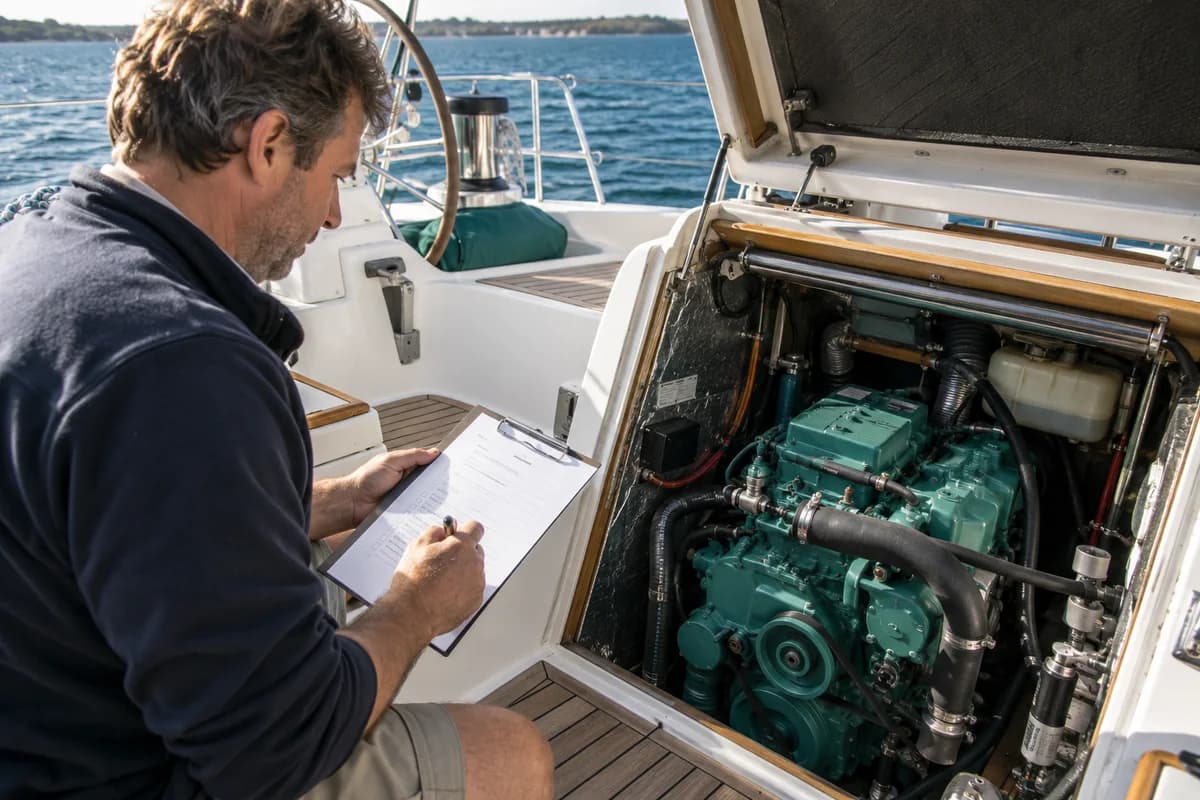
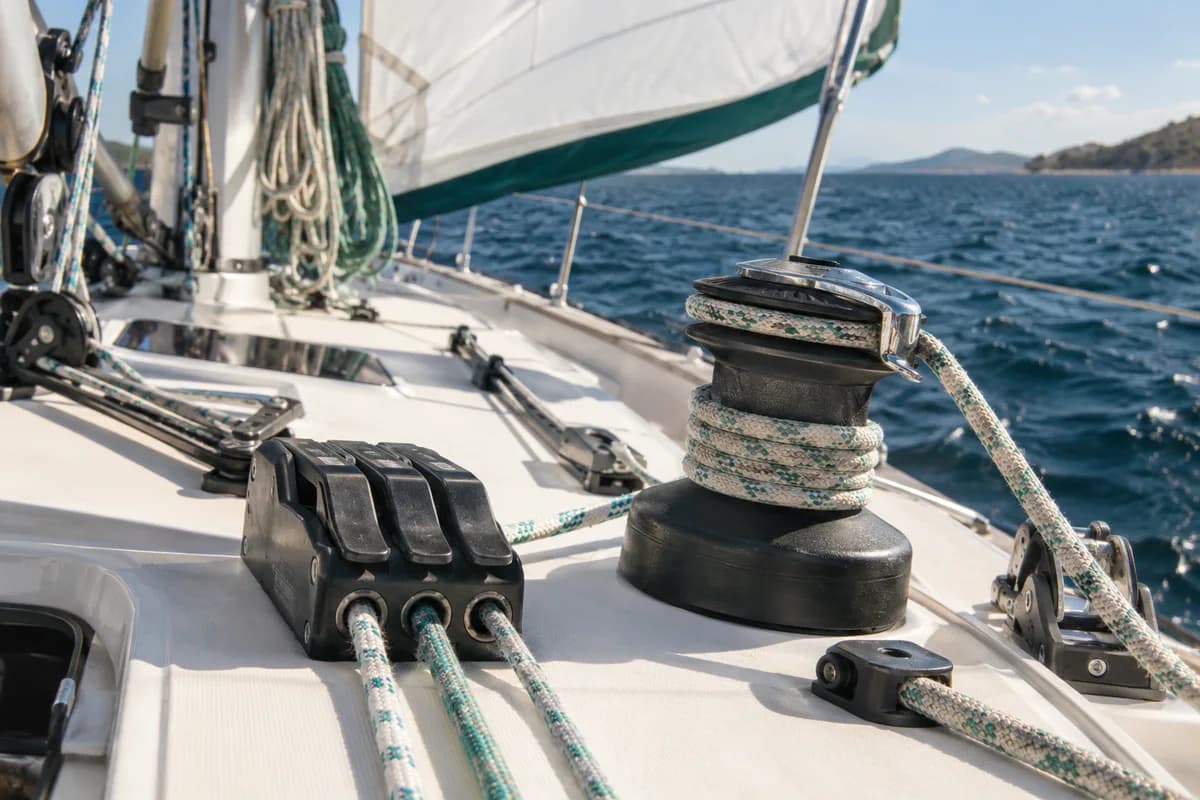
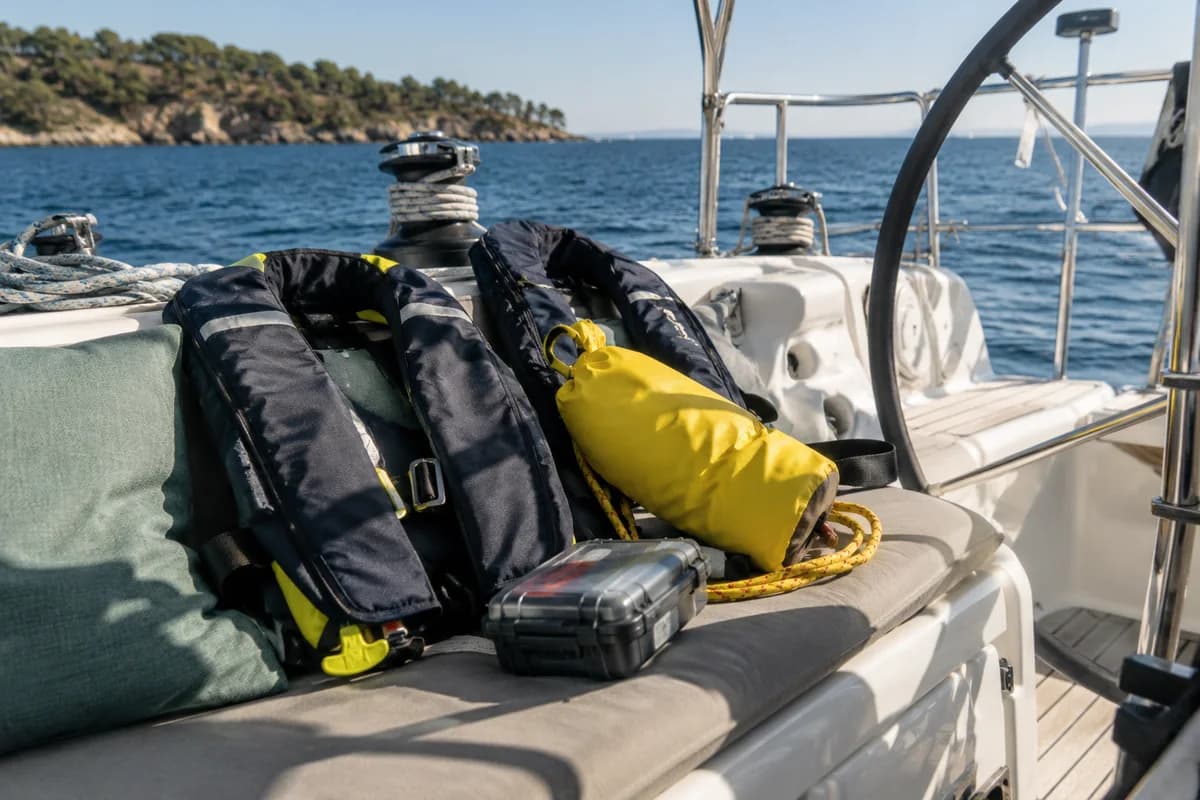
From a missing shackle to a cockpit full of new kit, a good chandlery helps turn a list of jobs into a boat ready to leave the dock. Find suppliers for everyday essentials and the occasional hard-to-find fitting.

Start with the job, not the shelf
A chandlery becomes much more useful when you arrive with a job in mind. Replacing a worn mainsheet block, restocking the boat before a coastal trip and fitting out a newly purchased yacht require different conversations. Write down what is missing, what has failed and what you want to work better. A photograph of the complete arrangement often tells the supplier more than the name of an isolated fitting. Include the boat model where you know it, but remember that previous owners may have changed the original equipment. Your actual installation is the most useful starting point.
Separate consumables from fitted equipment
Cleaning products, tape and other everyday supplies can often be compared directly. Equipment that carries load, connects to another system or needs a precise fit deserves more attention. A shackle that looks similar may have different dimensions or specifications; a replacement line may behave differently in your existing clutches. Ask the supplier to explain the intended application and show you the relevant product information. If a part affects rigging, steering or another critical system, bring the installer into the selection process. Buying it twice is frustrating, but buying something unsuitable can also delay the work you planned around it.
Think beyond the purchase price
Compare availability, collection arrangements and access to advice as well as the ticket price. A local counter can be valuable when you need to put two parts beside each other or clarify a measurement before heading back to the boat. An online supplier may offer a wider range, particularly for a planned refit. Ask whether an item is physically in stock, held by a distributor or ordered from overseas. These are different promises. For special orders, get the expected timing and returns arrangements in writing before making the purchase, especially when a yard booking depends on delivery.
Build a useful boat inventory
Keep a simple list of the equipment you buy, including model numbers, sizes and the reason you chose each item. A phone folder containing photographs of packaging and installed parts can save a surprising amount of time next season. Group your shopping list by the work it supports: sail handling, anchoring, cockpit comfort or routine cleaning. This makes it easier to spot missing accessories and avoids accumulating disconnected purchases. If you are preparing for a trip, distinguish things needed before departure from improvements that can wait. The chandlery visit should support a realistic preparation plan rather than expand it indefinitely.
Make the counter conversation count
Ask the business what it knows well. Some chandleries are particularly useful for racing hardware; others focus on cruising supplies, small boats or local maintenance needs. Describe your sailing habits and the conditions the item will face, rather than asking for the best product in the shop. Bring the old part only when it is safe and practical to remove it, and label anything you take off the boat. Before leaving, check that sizes, quantities and included accessories match the order. Keep receipts and instructions together so that the next replacement begins with information rather than guesswork.
Make the first enquiry count.
You need a replacement block before the next club sail. Send the supplier a view of the whole arrangement, the existing markings and the dimensions it requests. Ask whether the replacement is suitable for that job before planning collection. A similar-looking item is not enough to establish a match.
What a useful quote should settle
Compare the exact item, required accessories, physical stock, collection or delivery and the process for resolving a mismatch before installation.
How to compare marine service quotes →Which conversation do you need?
Start with the situation that describes your job. These are different enquiry briefs, so ask the provider to confirm the scope that fits yours.
Counter visit
You need to compare an existing fitting in person.
Can someone help identify it, and what should I bring?
Planned order
You know the exact specification and can wait for supply.
Is it physically in stock, and are accessories included?
Installer-led supply
The item forms part of a larger change aboard.
Who confirms compatibility and supports the installed result?
Three steps to a clearer decision.
Can someone help identify it, and what should I bring?
Is it physically in stock, and are accessories included?
Who confirms compatibility and supports the installed result?
Before you make the next move.
Should I take the old fitting to the shop?
It can help if it is safe and practical to remove. Ask first, and take photographs of the installed arrangement before anything is disturbed. Label the item and keep associated pieces together so context is not lost.
Is a catalogue listing evidence of stock?
No. Ask whether the seller physically holds the item, orders it from a distributor or expects a future delivery. Explain if another booking depends on it, and confirm dispatch rather than treating the listing as an arrival date.
Chandlery: enquiry checklist
Use this to prepare your first enquiry. Print a copy to keep with your notes.
0 of 5 ready · Checks reset when you leave this page.