A trailer is part of the boating setup, not just the journey to the water. Find makers, dealers and fitters who work with boat trailers and launch-day equipment.

Look at the boat and trailer together
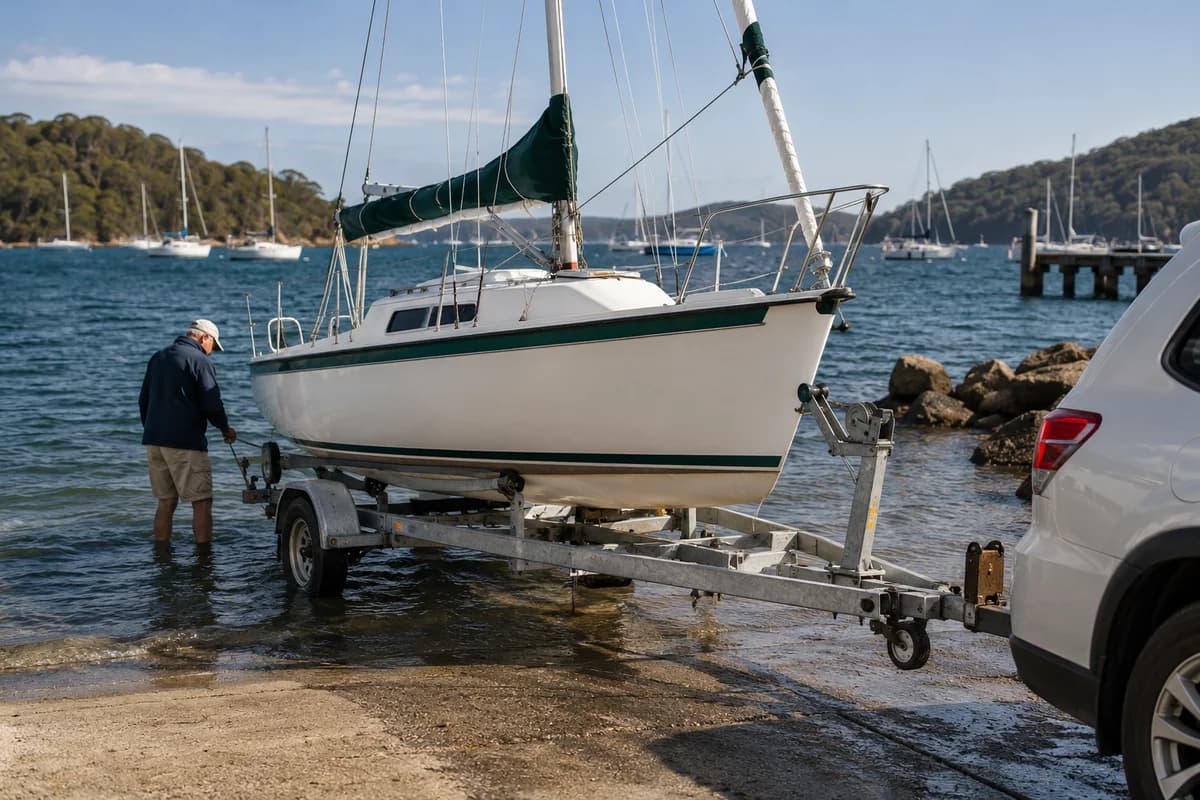
A trailer sailer depends on its trailer for much of its boating life. The hull needs appropriate support, the load needs to suit the transport arrangement and the whole setup has to work at the ramps you use. Begin with the boat's dimensions and a realistic account of everything carried aboard during travel. Published boat figures may not describe your loaded configuration. Ask the trailer supplier how it assesses the complete package and what information it needs from you. A suitable trailer is a matched transport system, not simply a frame that happens to be long enough.
Explain the launch routine
Tell the provider where you launch, how often you travel and whether you normally rig and retrieve the boat alone. Ramp slope, available space and the way the boat floats off its supports can affect everyday usability. For sailing boats, mast transport and rigging preparation are also part of the routine. Ask how the proposed setup accommodates the hull, keel arrangement and any protruding equipment. Discuss adjustments with a specialist rather than improvising structural changes yourself. The aim is a trailer that supports repeatable, manageable launching while respecting the boat's design and the supplier's operating instructions.
Confirm the loaded transport requirements
Have the supplier explain the trailer's rated capacity and the assumptions behind the proposed setup. Include gear, fuel and other items that travel with the vessel in the discussion. Towing requirements and registration rules should be checked with the relevant authorities and the vehicle manufacturer for your circumstances. Ask a qualified provider to assess compatibility rather than treating another owner's towing arrangement as a model for your own. If you are buying a used trailer, arrange an appropriate inspection and establish whether the available records match the trailer and the boat you intend to carry on it.
Compare maintenance access and parts support
A trailer spends time in a demanding environment, particularly when it is regularly used at coastal ramps. Ask about the maker's maintenance instructions, access to wearing components and the availability of replacement parts. Discuss how the boat will be supported if trailer work is needed, because a repair can become more complicated when the vessel cannot be moved easily. Get a clear description of included equipment, setup and any adjustments after delivery. A dealer who can explain ongoing care and provide practical support may offer more value than a simple comparison of frame price and finish suggests.
Check the complete handover
Arrange time to inspect the finished setup with the provider. Confirm that the boat sits as intended and that the supplied equipment matches the written order. Ask for a demonstration of the normal launch and retrieval arrangements where practical, along with guidance on the inspection routine specified by the manufacturer. Keep the trailer identification, service information and receipts with the boat documents. Before planning a distant trip, allow an opportunity to become familiar with the arrangement close to home. A calm first outing is a better time to clarify a question than a crowded ramp at the end of a holiday.
Make the first enquiry count.
A trailer enquiry should describe the loaded boat and intended towing arrangement, not just the hull’s advertised length. Ask the provider which measurements and documented weights it needs. Include storage and launch routines so the proposal can address how the setup will actually be used.
What a useful quote should settle
Ask for the matching assessment, included supports and equipment, setup responsibilities, handover information and any checks needed for your intended use.
How to compare marine service quotes →Which conversation do you need?
Start with the situation that describes your job. These are different enquiry briefs, so ask the provider to confirm the scope that fits yours.
New matched setup
The boat and towing arrangement need assessment together.
Which documented weights and dimensions are required?
Existing trailer service
You need condition or maintenance work assessed.
Does the appointment include setup questions or only the agreed service?
Storage-led choice
The trailer must fit a practical storage routine.
How will access, handling and retrieval work at that location?
Three steps to a clearer decision.
Which documented weights and dimensions are required?
Does the appointment include setup questions or only the agreed service?
How will access, handling and retrieval work at that location?
Before you make the next move.
Can I choose a trailer by boat length?
Length alone does not establish suitability. Ask the specialist about the loaded boat, hull support and the rest of the towing setup. Use the information it requests and check applicable transport requirements through the relevant authority.
Should the boat be present for setup?
Ask the provider how it checks fit and what access it requires. Do not assume a remote order includes final setup. Clarify who makes adjustments and confirms the delivered arrangement is appropriate.
Boat trailers: enquiry checklist
Use this to prepare your first enquiry. Print a copy to keep with your notes.
0 of 5 ready · Checks reset when you leave this page.